
Introduction
Pain is often ignored, misunderstood, or treated as a temporary inconvenience. However, pain is not something to overlook—it is a signal from the body indicating that something needs attention.
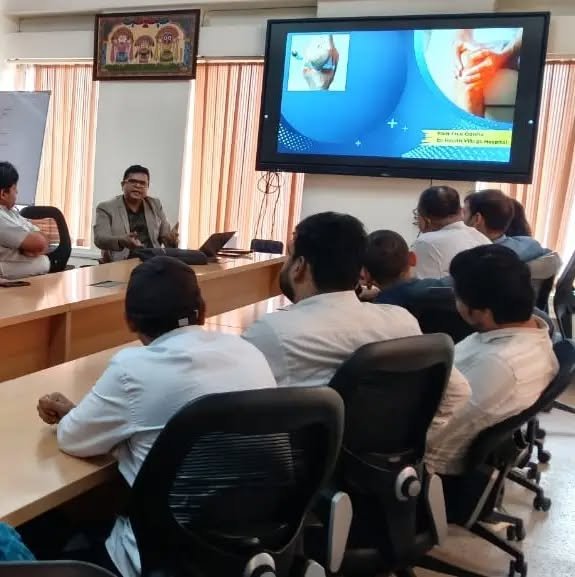
In today’s fast-paced work environment, especially in office settings, lifestyle-related musculoskeletal problems are becoming increasingly common. Recognizing this need, a Pain Awareness and Staff Education session was conducted at the Bureau of Indian Standards, Bhubaneswar, with the aim of promoting early identification and proper management of pain.
Why Pain Awareness is Important
Many individuals continue to work through discomfort, assuming that pain will resolve on its own. Unfortunately, ignoring early symptoms can lead to chronic conditions that are harder to treat.
Pain awareness helps individuals:
- Understand the root cause of their discomfort
- Identify early warning signs
- Take timely action before the condition worsens
- Avoid long-term complications
Creating awareness is the first and most important step toward effective pain management.
Focus of the Staff Education Session
The session was designed to be simple, interactive, and practical, ensuring that participants could easily relate the information to their daily lives.
1. Early Identification of Pain
Employees were guided on how to recognize early symptoms of common issues such as:
- Back pain
- Neck pain
- Joint stiffness
- Muscle fatigue
Understanding these signs allows for early intervention and faster recovery.
2. Lifestyle-Related Musculoskeletal Problems
Modern work culture, especially desk jobs, has led to a rise in posture-related and lifestyle-induced pain conditions.
Key contributing factors discussed included:
- Prolonged sitting
- Poor posture
- Lack of physical activity
- Incorrect workstation setup
Participants were educated on how small changes in daily habits can significantly reduce the risk of developing chronic pain.
3. Importance of Timely and Scientific Pain Management
One of the key messages of the session was that most chronic pain conditions can be managed effectively without surgery, especially when treated early.
Scientific pain management includes:
- Accurate diagnosis
- Evidence-based treatments
- Physiotherapy and rehabilitation
- Minimally invasive pain management procedures
This approach ensures safe, effective, and long-lasting relief.
Breaking the Myth: Surgery is Not Always Required
A common misconception is that persistent pain always leads to surgery. The session emphasized that:
Surgery is required only in rare and severe cases
Most pain conditions can be treated with non-surgical methods
With advancements in modern medicine, patients now have access to treatments that are less invasive and highly effective.
Benefits of Workplace Pain Awareness Programs
Conducting such awareness sessions in workplaces offers multiple benefits:
Healthier and more productive employees
- Reduced absenteeism
- Improved posture and work habits
- Early management of health issues
- Enhanced overall well-being
Organizations that invest in employee health create a more positive and efficient work environment.
Empowering Individuals Through Education
The goal of pain awareness is not just to inform but to empower individuals to take control of their health.
When people understand their bodies better, they are more likely to:
- Seek timely medical help
- Follow preventive measures
- Adopt healthier lifestyles
- Avoid unnecessary treatments
Conclusion
Pain should never be ignored. It is the body’s way of communicating that something needs attention.
Awareness, early identification, and proper treatment can prevent minor issues from becoming major health concerns. Educational initiatives like staff awareness programs play a vital role in spreading this message and promoting a healthier society.
