
Introduction
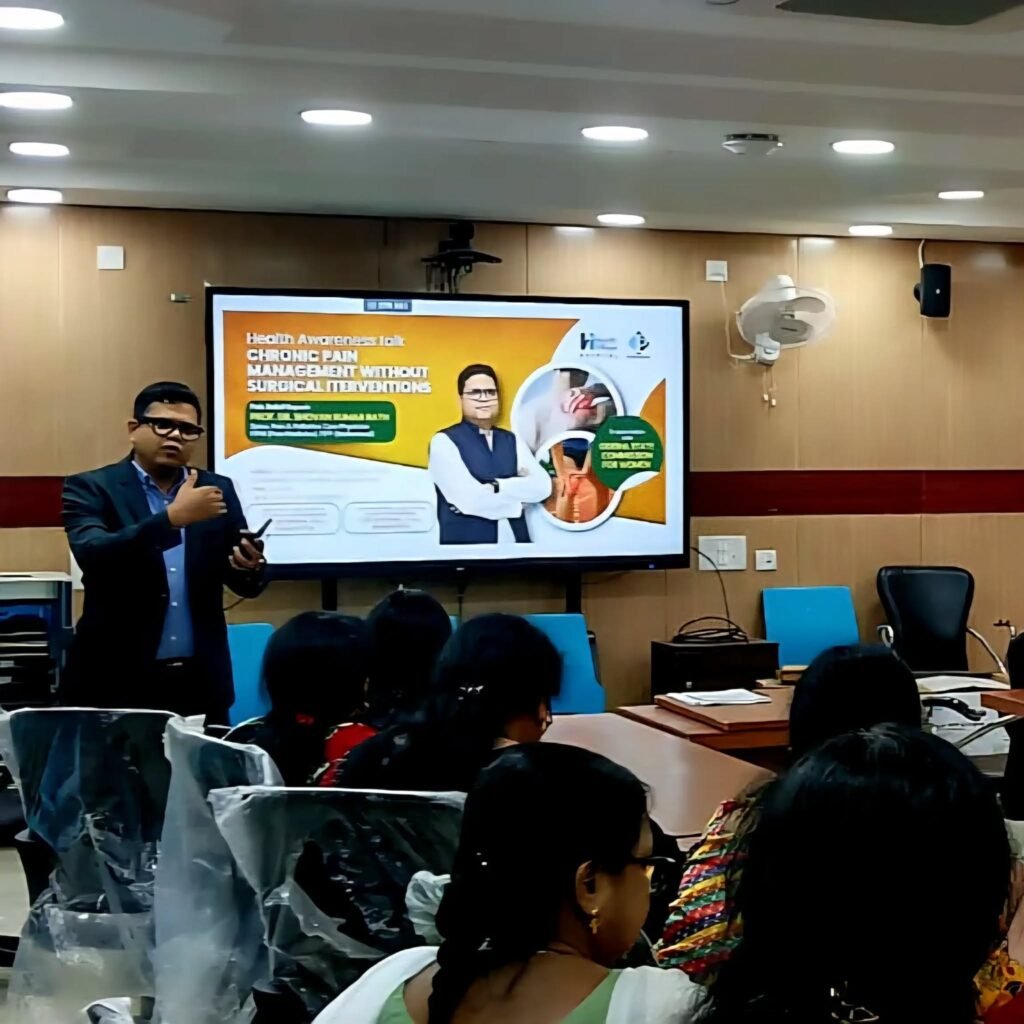
Chronic pain is one of the most overlooked health concerns, especially among women who often tend to ignore early symptoms due to daily responsibilities and lifestyle demands. Recognizing the urgent need for awareness and education, Pain Free Odisha successfully conducted a Pain Awareness Campaign at the Odisha State Commission for Women.
This initiative created an important platform to discuss chronic pain, women’s health, and the significance of early intervention in preventing long-term complications.
Importance of Pain Awareness in Women’s Health
Women are more prone to certain types of chronic pain due to physiological, hormonal, and lifestyle factors. However, these conditions are often underreported or neglected.
Common issues faced by women include:
- Chronic back pain
- Neck pain
- Joint pain
- Myofascial pain
- Headache disorders
Lack of awareness and delayed treatment can lead to worsening conditions, reduced quality of life, and long-term health challenges.
Key Highlights of the Awareness Campaign
The session was designed to be informative, interactive, and practical, allowing participants to better understand pain and its management.
1. Addressing Common Pain Conditions
Participants were educated about frequently occurring but often ignored pain conditions such as:
- Back and neck pain caused by poor posture
- Myofascial pain due to muscle stress and strain
- Joint pain linked to lifestyle and aging
- Headaches associated with stress and work pressure
Understanding these conditions helps in recognizing symptoms early and seeking timely care.
2. Focus on Prevention and Ergonomic Care
A major part of the discussion focused on preventive measures, including:
- Maintaining proper posture during work
- Ergonomic workplace setup
- Regular physical activity and stretching
- Stress management techniques
Simple lifestyle changes can significantly reduce the risk of chronic pain.
3. Role of Stress in Pain
Stress is a major contributor to chronic pain, especially in modern lifestyles. The session highlighted how:
- Mental stress can trigger muscle tension
- Long-term stress can worsen existing pain conditions
- Managing stress is essential for overall well-being
Participants were encouraged to adopt relaxation techniques and maintain a healthy work-life balance.
4. Importance of Early Diagnosis and Timely Consultation
One of the key messages emphasized during the campaign was:
Do not ignore persistent pain
Early diagnosis and timely medical intervention can:
- Prevent complications
- Reduce the severity of pain
- Improve treatment outcomes
- Avoid unnecessary surgical procedures
Modern Pain Management: Minimally Invasive Solutions
The campaign also introduced participants to advancements in interventional pain management, which offers effective solutions without major surgery.
These include:
- Targeted injection therapies
- Nerve blocks
- Advanced pain management procedures
- Regenerative treatment options
Such treatments are safe, effective, and help patients recover faster with minimal downtime.
Interactive Learning and Myth-Busting
One of the most impactful aspects of the session was the interactive discussion, where participants actively shared their concerns and experiences.
This open dialogue helped:
- Clear common myths about chronic pain
- Reduce fear related to treatments
- Build confidence in modern medical approaches
- Encourage individuals to seek help without hesitation
Building Healthier Communities Through Awareness
Awareness programs like this play a crucial role in building healthier and more informed communities. When individuals understand the importance of early care and prevention, they are better equipped to manage their health.
Such initiatives not only benefit individuals but also contribute to:
- Increased productivity
- Reduced healthcare burden
- Improved overall quality of life
Conclusion
Chronic pain should never be ignored, especially when effective and non-surgical treatment options are available. Awareness, education, and early intervention are the keys to preventing long-term complications.
This Pain Awareness Campaign stands as a step forward in empowering women with the knowledge and resources needed to take control of their health.
