
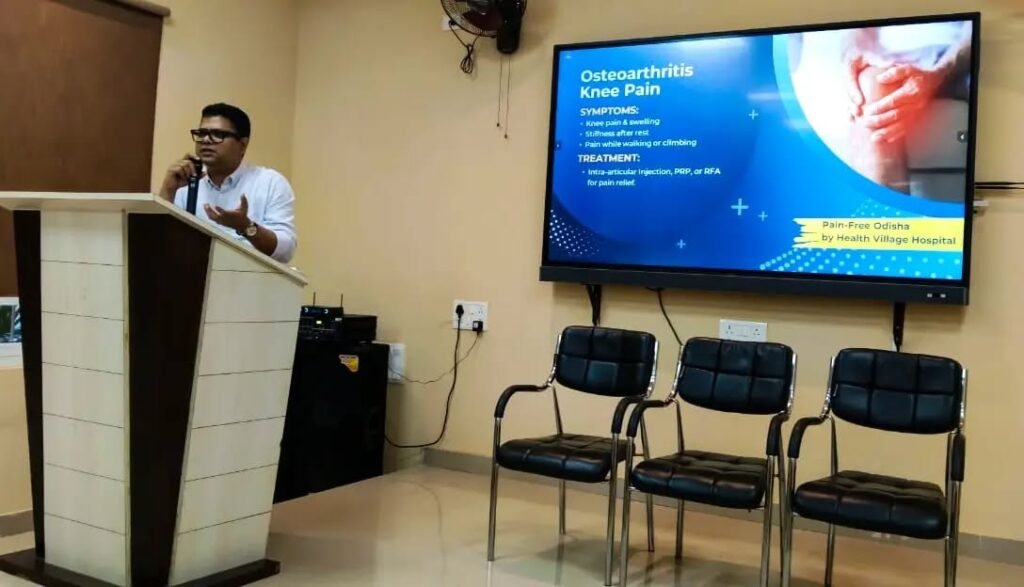
Pain Free Odisha had the honor of conducting a Pain Awareness Program at Govt Polytechnic, Bhubaneswar, focusing on educating students and faculty about chronic pain and the importance of early intervention. The program aimed to empower young minds with the right knowledge to recognize pain-related issues and understand modern approaches to treatment.
The session saw enthusiastic participation from both students and faculty members. We discussed how chronic pain affects daily activities, productivity, sleep, emotional well-being, and overall quality of life. Many students shared their own experiences or concerns related to pain, making the session highly interactive and meaningful.
Our experts explained various types of chronic pain, including back pain, nerve pain, migraine, joint pain, and musculoskeletal pain—conditions commonly seen among students, working professionals, and elderly individuals alike.
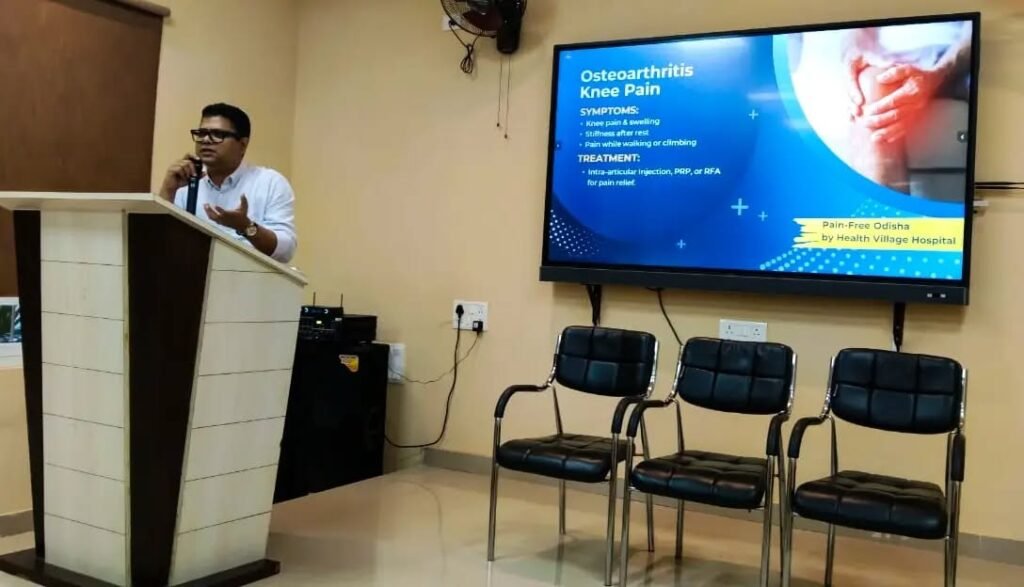
Importance of Modern, Non-Surgical Pain Management
A key highlight of the event was spreading awareness about the latest non-surgical pain management techniques. We discussed how advanced treatments such as image-guided injections, radiofrequency ablation (RFA), regenerative therapies, and targeted nerve blocks can provide long-term relief without the risks of surgery.
The objective was to help students understand that chronic pain is not something to be ignored, and modern pain clinics like Pain Free Odisha offer safe, effective, and scientifically proven solutions.
Building a Pain-Aware Community
We are truly grateful for the warm response and active participation from everyone at Govt Polytechnic. Programs like these strengthen our commitment to spreading accurate information, breaking myths around pain, and encouraging young people to seek proper medical help when needed.
With initiatives like these, Pain Free Odisha continues its mission to educate, empower, and build a pain-aware community across Odisha. By reaching students early, we hope to create a healthier generation that understands the importance of timely diagnosis, lifestyle modification, and the role of advanced medical treatments.
