
Modern Neuropathic Pain Treatment in Odisha: A Complete Guide to Lasting Relief
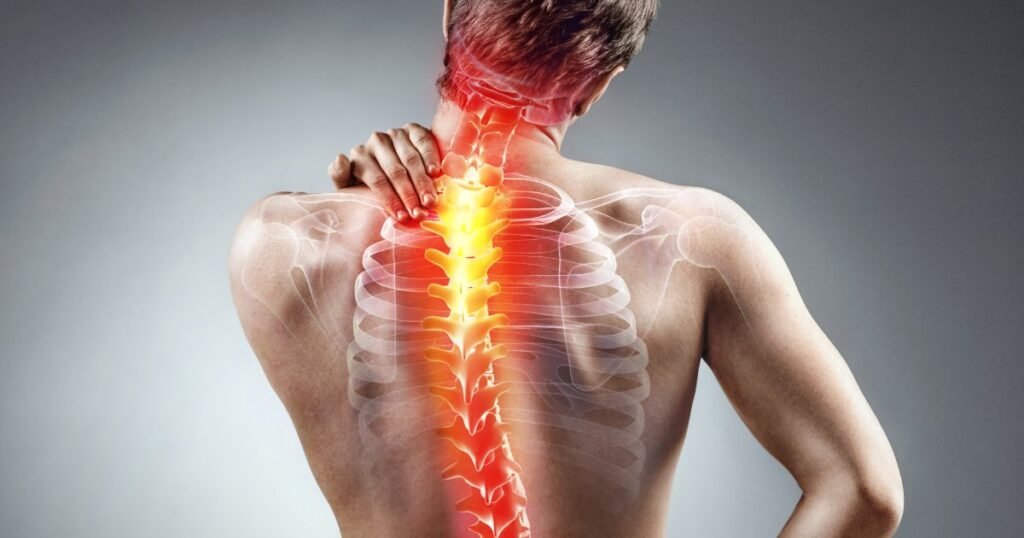
For many in Odisha, a mysterious burning, shooting, or electric-shock-like pain disrupts daily life. Unlike common aches, this is often neuropathic pain—a complex condition where the nerves themselves are the source of agony, not muscles or bones. Without visible injury, it becomes a silent struggle, difficult to diagnose and treat without specialized neuropathic pain treatment.
This pillar content explains what nerve pain is, why standard approaches fail, and reveals the modern, targeted treatments available in Odisha that can restore your quality of life.
What is Neuropathic Pain? Understanding Your Nerves
Neuropathic pain arises when the nervous system is damaged or malfunctions. Think of a faulty electrical wire sending random pain signals to your brain. This damage can occur anywhere along the pathway—from peripheral nerves in your limbs to the spinal cord or brain itself. It’s fundamentally different from nociceptive pain (like a sprain or headache), which is why it demands a specialized neuropathic pain treatment plan.
Common Causes of Nerve Pain in Odisha
Understanding the root cause is the first step in effective neuropathic pain treatment. Common triggers include:
Diabetic Neuropathy: High blood sugar damages nerves, often starting in the feet and hands.
Spinal Issues: A slipped disc, spinal stenosis, or arthritis can compress nerve roots.
Post-Herpetic Neuralgia: Nerve pain following a shingles (herpes zoster) infection.
Post-Surgical or Traumatic Nerve Injury: Scar tissue or direct damage from surgery or accidents.
Nutritional Deficiencies: Particularly long-standing deficiencies in B vitamins.
Alcohol-Related Nerve Damage.
Symptoms: Is Your Pain Neuropathic?
How do you know if you need specialized neuropathic pain treatment? Look for these hallmark signs:
Spontaneous Pain: Burning, shooting, or stabbing pain that occurs without any trigger.
Evoked Pain: Extreme sensitivity to touch (allodynia), where even clothing or a breeze causes pain.
Tingling & Numbness: A persistent “pins and needles” or dead feeling in hands, feet, or other areas.
Nocturnal Worsening: Pain that intensifies at night, severely disrupting sleep.
The Failure of Traditional Painkillers
A critical reason neuropathic pain treatment requires a specialist is the ineffectiveness of common medications. Over-the-counter pills like ibuprofen or paracetamol, and even many prescription opioids, often provide little to no relief for nerve pain. They target inflammation, not faulty nerve signals, leading to frustration and potential side effects without addressing the core problem.
Modern Neuropathic Pain Treatment Options in Odisha
Today, advanced neuropathic pain treatment focuses on precision diagnosis and targeted intervention. Here are the cutting-edge options available:
Precision Diagnostic Nerve Blocks: These are not just treatments but crucial diagnostic tools. A specialist injects a local anesthetic near a specific nerve. If your pain vanishes temporarily, it confirms the pain source and paves the way for a definitive treatment plan.
Image-Guided Interventions: Using live X-ray (fluoroscopy) or ultrasound, specialists can deliver medication or treatment directly to the affected nerve with pinpoint accuracy, enhancing safety and effectiveness.
Epidural Steroid Injections: For nerve compression from spinal issues.
Pulsed Radiofrequency Ablation: Uses electrical pulses to disrupt pain signals from a nerve without destroying it.
Neuromodulation: Advanced implants like Spinal Cord Stimulators send mild electrical pulses to mask pain signals before they reach the brain.
Multimodal Medication Management: Specialists use a different class of drugs for neuropathic pain treatment, such as certain antidepressants (e.g., Amitriptyline) and anti-seizure medications (e.g., Gabapentin, Pregabalin), which help calm overactive nerves.
Supportive Adjunct Therapies:
Physiotherapy: Tailored exercises to improve function, strength, and desensitize affected areas.
Dietary & Lifestyle Counseling: Crucial for managing underlying conditions like diabetes.
Psychological Support: Chronic pain affects mental health. Techniques like Cognitive Behavioral Therapy (CBT) are key to comprehensive care.
When to Seek a Pain Specialist in Odisha
Do not suffer in silence. Consult a pain management specialist if:
Your burning, tingling, or shooting pain persists for more than 3-4 weeks.
Over-the-counter medications provide no relief.
Pain is affecting your sleep, mood, or daily activities like walking or working.
You have an underlying condition like diabetes known to cause neuropathy.
Early intervention is the best strategy to prevent chronic pain consolidation and improve long-term outcomes.
Conclusion: Hope for Lasting Relief
Neuropathic pain is challenging, but it is manageable. The key is moving beyond generic painkillers to a precise, multidisciplinary neuropathic pain treatment strategy. By accurately diagnosing the affected nerve and using modern, targeted procedures combined with supportive therapies, patients in Odisha can achieve significant, lasting relief and reclaim their lives from chronic pain.
