
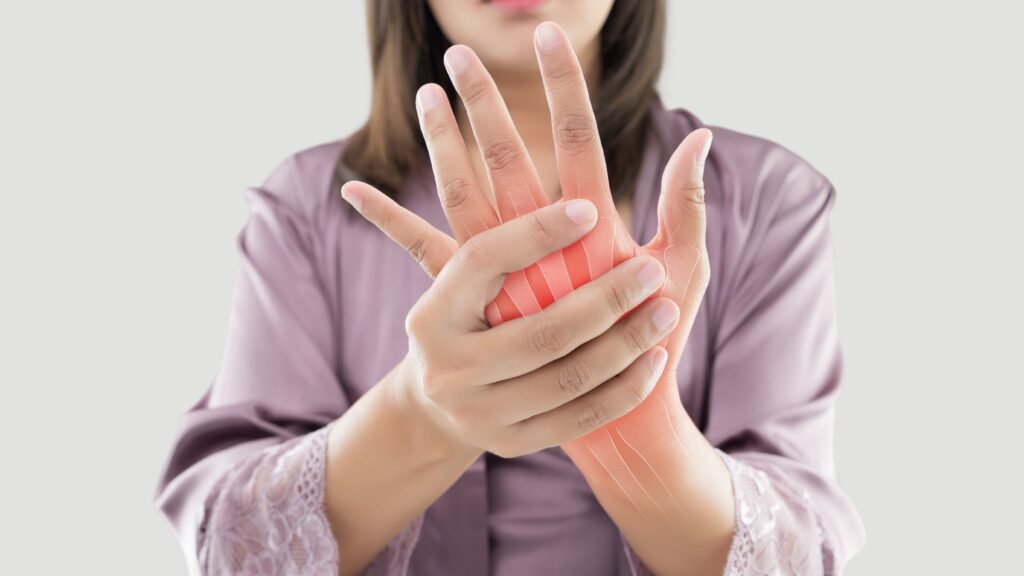
Winter can be especially challenging for people living with arthritis and chronic joint pain. As temperatures drop, many patients notice increased stiffness, discomfort, and reduced mobility—often leading to fear, confusion, and unnecessary panic.
In this article, Dr. Shovan Kumar Rath, Pain Management Specialist at Pain Free Odisha, explains why joint pain worsens during cold weather and shares simple, practical tips to manage arthritis effectively during winter—without myths or fear.
Why Does Joint Pain Increase in Cold Weather?
Many people believe cold weather directly “causes” arthritis pain. While winter does not cause arthritis, it can worsen existing joint problems due to several factors:
Reduced Blood Circulation
Cold temperatures cause blood vessels to narrow, leading to less circulation around joints, making them feel stiff and painful.
Muscle Tightness & Joint Stiffness
In winter, muscles and soft tissues tighten more easily, reducing joint flexibility and increasing discomfort.
Reduced Physical Activity
People tend to move less in cold weather, which can lead to joint stiffness and muscle weakness, worsening pain.
Atmospheric Pressure Changes
Changes in barometric pressure may affect joint tissues, contributing to pain in some arthritis patients.
Common Myths About Arthritis in Winter
Myth: Cold weather permanently damages joints
Fact: Cold may increase pain temporarily, but it does not damage joints permanently.
Myth: Complete rest is best in winter
Fact: Gentle movement is essential to keep joints healthy.
Myth: Surgery is the only solution for winter joint pain
Fact: Most cases can be managed with non-surgical pain management approaches.
Practical Tips to Manage Arthritis & Joint Pain in Winter
1. Keep Your Joints Warm
Wear warm clothing, gloves, and knee supports
Use warm compresses or heating pads when needed
2. Stay Gently Active
Light stretching
Short walks
Low-impact exercises as advised by your doctor
Movement keeps joints lubricated and reduces stiffness.
3. Stay Hydrated
Even in winter, dehydration can worsen joint discomfort. Drink adequate water daily.
4. Follow a Joint-Friendly Diet
Include:
Anti-inflammatory foods
Adequate protein
Omega-3 rich foods
Avoid excessive processed and sugary foods.
5. Maintain Proper Posture & Sleep
Good posture and adequate rest help reduce strain on joints.
When Should You See a Pain Specialist?
You should seek medical advice if:
Pain increases despite home care
Morning stiffness lasts more than 30–60 minutes
Pain interferes with daily activities
You feel numbness, weakness, or radiating pain
Early guidance can prevent long-term complications.
Non-Surgical Pain Management at Pain Free Odisha
At Pain Free Odisha, we focus on:
Accurate diagnosis
Non-surgical pain management
Patient education and awareness
Personalized treatment plans for arthritis, joint pain, and chronic pain conditions
Our goal is not just treatment—but empowering patients to understand and manage their pain better.
