
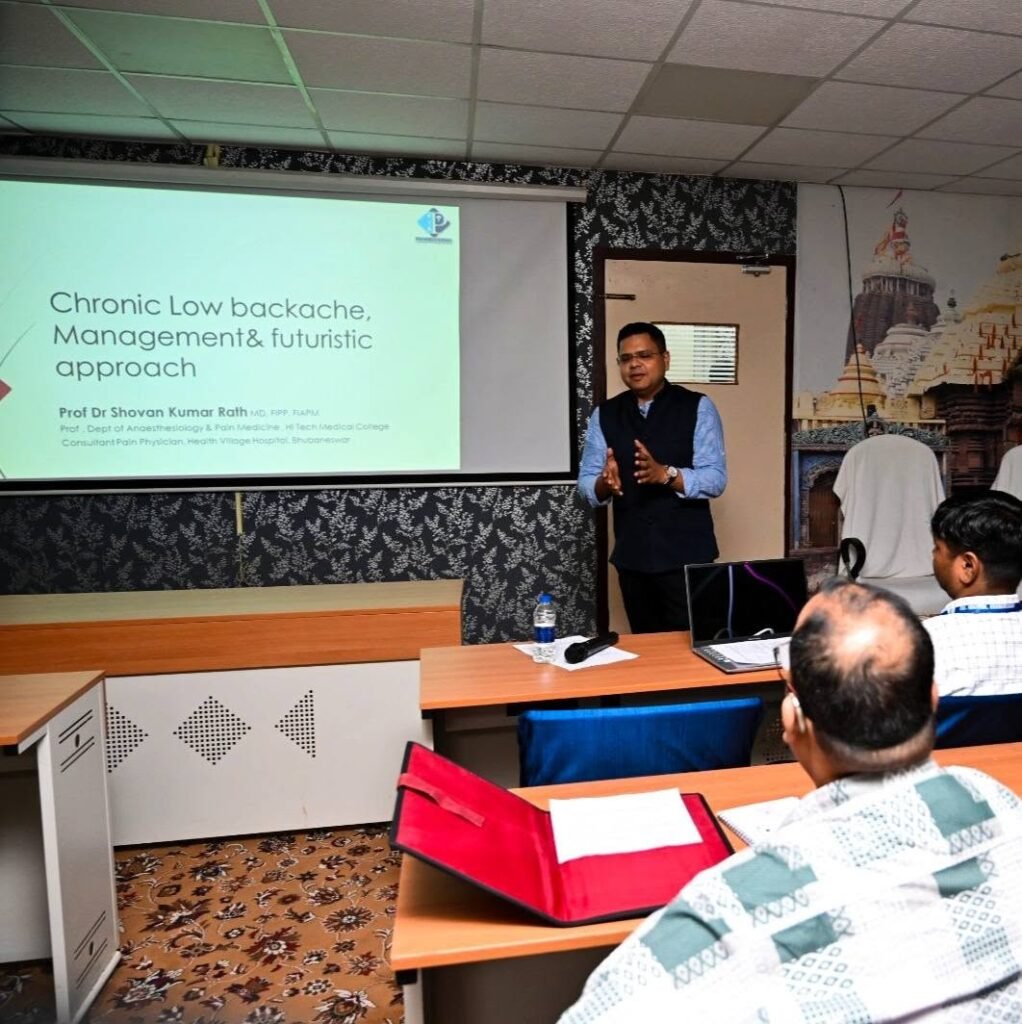
Pain Awareness is an important part of healthcare education, helping people better understand pain, recognise persistent symptoms, and appreciate the importance of appropriate professional guidance. Being honoured with an invitation as Guest Faculty at the State Labour Institute was a meaningful professional opportunity to share knowledge, engage with fellow professionals, and contribute to greater awareness about pain and its management.
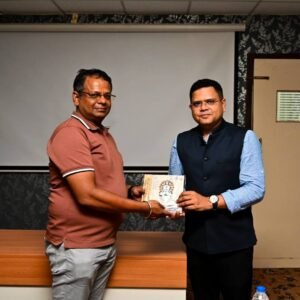
The occasion was made especially memorable by the warm felicitation received during the programme. It was a privilege to participate in a professional environment that encouraged knowledge sharing, interaction, and healthcare awareness.
Pain is a common health concern that can affect people in different ways. It may be associated with injury, illness, musculoskeletal conditions, workplace activities, procedures, or other underlying factors. While some pain may resolve with time, persistent or recurring pain can sometimes require appropriate clinical evaluation.
The opportunity at the State Labour Institute provided a valuable platform to discuss the importance of Pain Awareness, professional education, and informed approaches to pain care.
Guest Faculty at the State Labour Institute
The invitation to participate as Guest Faculty at the State Labour Institute was a valued professional experience. Guest faculty programmes provide opportunities to share knowledge, exchange experiences, and interact with professionals in an educational environment.
Healthcare is a continuously evolving field. Professional development does not end with formal education, and opportunities for continued learning and discussion can contribute to better understanding of healthcare challenges.
The State Labour Institute programme created an opportunity to engage with fellow professionals and discuss the broader relevance of pain awareness. Such interactions can help professionals exchange perspectives, reflect on practical experiences, and remain connected with developments in healthcare.
Being invited as Guest Faculty was therefore both an honour and an opportunity to contribute to a meaningful professional discussion.
Importance of Pain Awareness
Pain Awareness helps individuals understand that pain can have different causes, patterns, and effects.
Acute pain may occur after an injury, illness, medical procedure, or other identifiable event. Persistent or chronic pain can continue for a longer period and may require a more comprehensive assessment.
Pain can affect several areas of daily life, including:
- Physical activity and mobility
- Work and professional responsibilities
- Sleep and rest
- Exercise
- Concentration
- Social activities
- Overall quality of life
Awareness can encourage individuals to recognise when pain is affecting their normal activities and consider seeking appropriate professional guidance.
Pain awareness is not intended to encourage self-diagnosis. Instead, it aims to promote better health understanding and encourage informed conversations with healthcare professionals.
Understanding Pain and Its Impact
Pain is a personal experience, and individuals can respond to similar conditions in different ways. The intensity, duration, location, and effect of pain can vary considerably.
Persistent pain may sometimes influence physical activity, mood, sleep, work performance, and social participation. Because of these multiple effects, pain management may require consideration of more than the physical symptom alone.
A professional evaluation may consider the individual’s medical history, symptoms, physical examination findings, functional limitations, previous treatments, and other relevant information.
Understanding these factors can help healthcare professionals determine an appropriate management strategy.
Knowledge Sharing with Fellow Professionals
One of the most meaningful aspects of the programme was the opportunity to share knowledge and engage with fellow professionals.
Knowledge sharing is an important part of professional development. Discussions between professionals can provide opportunities to exchange experiences, explore different perspectives, and discuss practical approaches to healthcare.
Pain management can involve multiple dimensions. Depending on the condition, healthcare professionals from different disciplines may contribute to an individual’s care.
Professional interaction can therefore support a broader understanding of pain and encourage continued learning.
The Guest Faculty experience was not only an opportunity to share knowledge but also a valuable opportunity to learn through interaction with fellow professionals.
Modern Pain Management
Modern Pain Management focuses on understanding the underlying factors associated with pain before considering an appropriate management plan.
A clinical assessment may consider:
- The location and nature of pain
- Duration and pattern of symptoms
- Medical history
- Physical examination
- Functional limitations
- Previous treatments
- Relevant investigations when required
Depending on the individual’s condition, pain management may include different approaches.
These may involve:
- Patient education
- Lifestyle modifications
- Physical therapy and rehabilitation
- Appropriate medication when clinically indicated
- Ergonomic advice
- Psychological or behavioural support when appropriate
- Interventional pain management for selected conditions
- Multidisciplinary pain care
No single treatment approach is suitable for everyone. An individual’s management plan should be based on their clinical condition and professional assessment.
Pain Awareness in the Workplace
The professional environment of the State Labour Institute also highlights the importance of Workplace Pain Awareness.
Many people spend a significant amount of time at work. Depending on their occupation, they may sit for extended periods, stand for long hours, use computers, perform repetitive movements, lift objects, or carry out physically demanding tasks.
These factors may contribute to musculoskeletal discomfort in some individuals.
Workplace health education can encourage employees to pay attention to:
- Appropriate posture
- Ergonomic workstation setup
- Regular movement breaks
- Safe lifting and handling practices
- Suitable work techniques
- Physical activity
- Early recognition of persistent symptoms
- Appropriate professional guidance
Workplace pain awareness can therefore form part of a broader approach to employee health and wellbeing.
Importance of Workplace Ergonomics
Ergonomics is an important consideration when discussing workplace health.
People who work at computers may benefit from appropriate workstation arrangements, suitable seating, proper screen positioning, and regular movement breaks.
Similarly, individuals involved in physically demanding occupations may need to follow appropriate safety procedures, lifting techniques, and workplace practices.
Workplace discomfort can have many possible causes, however, and persistent symptoms should not automatically be attributed to posture or work activity.
Professional evaluation may be appropriate when pain continues, worsens, or interferes with normal activities.
Early Professional Guidance
An important message of Pain Awareness is the value of recognising persistent or recurring pain.
People sometimes become accustomed to discomfort and may delay discussing it with a healthcare professional. Not every episode of pain indicates a serious medical problem, but persistent symptoms can deserve appropriate assessment.
Professional guidance can help determine possible contributing factors and whether further evaluation, rehabilitation, lifestyle changes, medication, or another management approach may be appropriate.
The goal of awareness is not to create unnecessary concern. Rather, it is to encourage people to make informed decisions about their health.
Patient-Centred Pain Care
Modern healthcare increasingly places importance on patient-centred care.
Pain affects individuals differently. Two people with similar conditions may have different symptoms, lifestyles, responsibilities, treatment histories, and personal goals.
For this reason, pain management should consider the individual rather than focusing only on a diagnosis or symptom.
Effective communication is an important part of patient-centred care. Individuals should have the opportunity to describe their symptoms, discuss concerns, understand available treatment approaches, and participate in appropriate healthcare decisions.
Pain education can support this process by improving understanding and encouraging informed communication.
Interventional Pain Management
Interventional Pain Management may be considered for selected patients when appropriate following clinical assessment.
Interventional approaches involve targeted procedures that may be used for certain pain-related conditions. Their suitability depends on factors such as diagnosis, symptoms, medical history, previous treatment, and individual clinical circumstances.
These procedures are not appropriate for every person or every type of pain.
Modern pain care may involve a combination of approaches, depending on the individual’s needs. The focus should remain on appropriate assessment and personalised care rather than assuming that a particular treatment will be suitable for everyone.
Multidisciplinary Pain Management
Some persistent pain conditions may require a broader multidisciplinary pain management approach.
Depending on the individual’s needs, different healthcare professionals may contribute to care. Medical assessment, physical rehabilitation, psychological support, lifestyle guidance, and other interventions may sometimes be combined.
Pain can affect physical function, sleep, work, emotional wellbeing, and social activities. A multidisciplinary approach can therefore be considered for selected individuals when multiple aspects of pain need attention.
Professional collaboration can help support a more comprehensive understanding of the individual’s condition and goals.
Role of Professional Education
The invitation to serve as Guest Faculty also highlights the importance of continuing professional education.
Healthcare professionals benefit from opportunities to update knowledge, discuss experiences, and engage with new developments in their fields.
Guest lectures, academic programmes, awareness sessions, professional meetings, and workshops can all contribute to professional development.
These platforms create opportunities to discuss healthcare challenges and share practical experiences.
The State Labour Institute programme was a valuable example of how professional interaction can support knowledge sharing and awareness.
Building Better Health Awareness
Health awareness becomes more meaningful when important healthcare topics are discussed openly and responsibly.
People may sometimes ignore pain because they believe it is temporary or simply part of everyday life. Awareness programmes can encourage individuals to understand that persistent symptoms deserve appropriate attention.
Workplaces and professional institutions can also contribute by promoting healthy habits and encouraging access to appropriate health information.
Pain Awareness can therefore be viewed as part of a wider approach to health education.
It can encourage better understanding, responsible health decisions, and appropriate professional consultation when necessary.
A Meaningful Professional Experience
Being invited as Guest Faculty at the State Labour Institute was a meaningful professional experience.
The opportunity to engage with fellow professionals, share knowledge, and contribute to a discussion about pain awareness made the programme particularly valuable.
The warm felicitation added a special significance to the occasion and created a lasting memory.
Professional opportunities such as this demonstrate the value of collaboration and continuous learning in healthcare. Every interaction can create an opportunity to exchange knowledge and develop a deeper understanding of important healthcare concerns.
Gratitude for the Honour
The invitation to participate as Guest Faculty and the warm felicitation received during the programme were deeply appreciated.
It was a privilege to share knowledge and engage with fellow professionals in a positive and educational environment.
The experience also reinforced the importance of continuing to support professional education and Pain Awareness.
The memories created during the programme will remain a valued part of this professional journey.
The Importance of Continued Pain Education
Pain education should continue across professional and community settings.
Healthcare professionals can contribute by sharing accurate information, encouraging appropriate evaluation, and helping people understand the different dimensions of pain.
Workplaces can contribute by promoting healthy working practices, ergonomics, and employee wellbeing.
Individuals can contribute by paying attention to persistent symptoms, maintaining healthy habits, and seeking appropriate professional guidance when required.
Together, these efforts can support a more informed approach to pain care.
Conclusion
The Pain Awareness programme at the State Labour Institute was a meaningful opportunity to participate as Guest Faculty, share knowledge, and engage with fellow professionals.
The warm felicitation made the occasion especially memorable and added to the gratitude associated with the invitation.
Pain can affect physical activity, work, sleep, mobility, and everyday life. Greater awareness can help people understand their symptoms and recognise when professional guidance may be appropriate.
Modern pain management can involve several approaches, including patient education, lifestyle modifications, rehabilitation, appropriate medication, psychological support when relevant, and selected interventional or multidisciplinary care.
The appropriate approach depends on each individual’s clinical circumstances, making professional assessment an important part of responsible pain care.
The Guest Faculty experience at the State Labour Institute was a valuable reminder of the importance of Pain Awareness, professional education, collaboration, and knowledge sharing.
Grateful for the honour, the warm felicitation, the opportunity to share knowledge, and the wonderful memories created at the State Labour Institute.
