
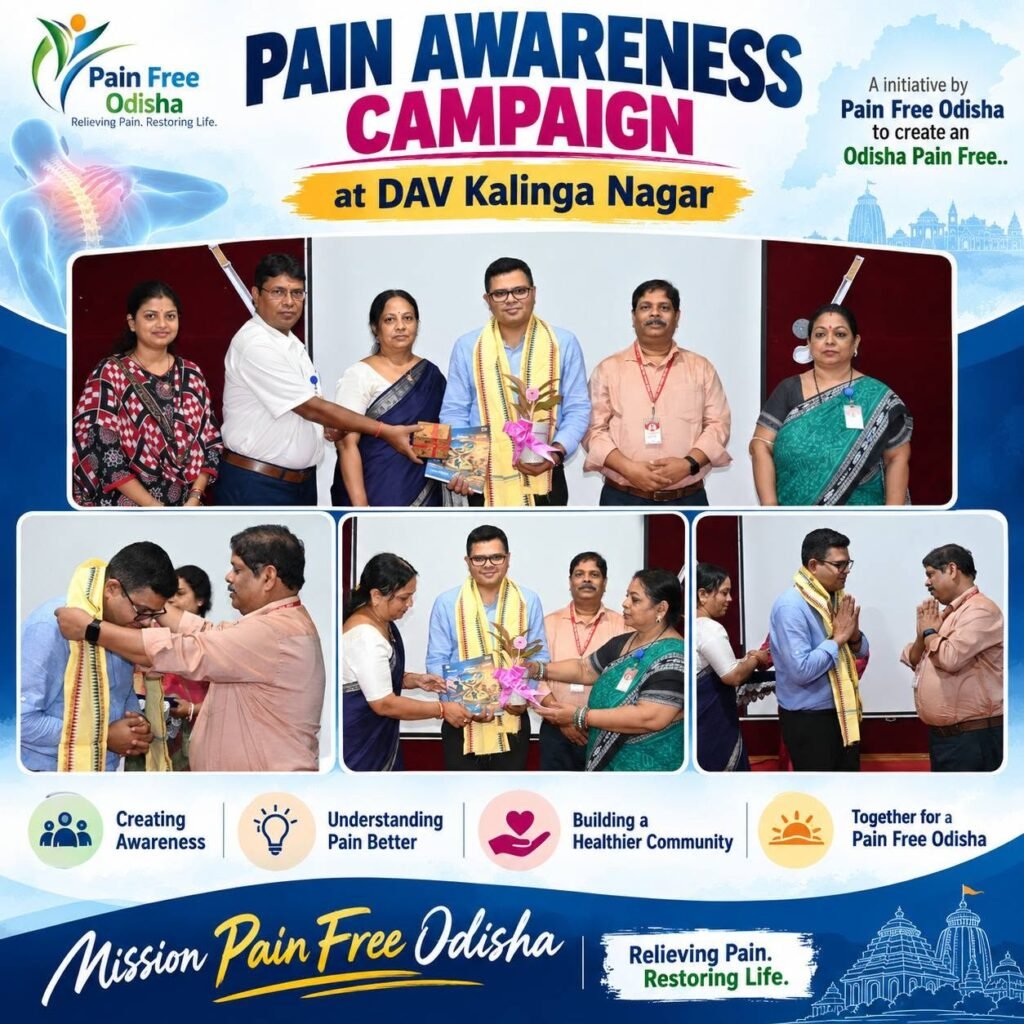
Pain Awareness Campaign begins with awareness, education, and meaningful conversations about pain. A meaningful Pain Awareness Campaign was conducted at DAV Public School, Kalinganagar, as part of Pain Free Odisha’s mission to promote better understanding of pain and encourage healthier, more informed communities.
Pain is one of the most common health experiences faced by people of different ages. While occasional pain can be a normal response to injury, illness, or physical stress, persistent or recurring pain may require proper attention and clinical evaluation. Creating awareness about pain can help people understand when pain should not simply be ignored and why professional guidance may be important.
Through awareness initiatives, educational programmes, and community engagement, Pain Free Odisha aims to encourage people to learn more about pain, its possible causes, and available approaches to pain management.
Understanding the Importance of Pain Awareness
Pain is a complex experience that can affect physical comfort, daily activities, concentration, sleep, work, education, and overall quality of life. However, many people may not have sufficient information about why pain occurs or when it is appropriate to seek medical advice.
A Pain Awareness Campaign provides an opportunity to discuss these topics in a simple and understandable way. Rather than treating pain as something that must always be tolerated, awareness programmes can encourage people to understand the importance of identifying possible causes and seeking appropriate medical evaluation when required.
Pain awareness is particularly valuable because people may experience pain differently. Headaches, back pain, neck pain, joint pain, muscle pain, nerve-related pain, and other forms of discomfort can have different underlying causes and may require different approaches.
Education can therefore be an important first step toward better pain management.
Pain Awareness Campaign at DAV Public School, Kalinganagar
The Pain Awareness Campaign at DAV Public School, Kalinganagar, represents an important effort to introduce the concept of pain awareness within an educational and community environment.
Schools are important spaces for health education because students can learn information that may benefit not only themselves but also their families and communities. Simple conversations about health can help young people develop a better understanding of their bodies and encourage responsible attitudes toward health concerns.
The campaign also reflects the broader objective of Pain Free Odisha: promoting awareness so that people can better understand pain and recognise the importance of appropriate care.
Health awareness does not mean encouraging self-diagnosis. Instead, it can help people recognise when a health concern deserves attention and encourage them to consult an appropriately qualified healthcare professional.
Why Pain Education Matters
Pain education can help address several common misconceptions.
Some people believe that pain is always a normal part of ageing, physical activity, work, or daily life. Others may delay seeking professional advice because they expect the pain to disappear on its own.
While some short-term pain may improve naturally, persistent, recurrent, or unexplained pain deserves appropriate attention. The significance of pain depends on its duration, location, intensity, associated symptoms, medical history, and possible underlying cause.
Pain education helps people understand that pain is not simply a single symptom with one universal solution.
A better understanding of pain can encourage people to:
- Pay attention to persistent or recurring symptoms
- Understand that different types of pain may have different causes
- Avoid unnecessarily ignoring ongoing pain
- Seek appropriate medical evaluation when required
- Learn about healthy approaches to pain management
- Understand the importance of professional guidance
Building Healthier Communities Through Awareness
Community health awareness is most effective when information is accessible and easy to understand. A Pain Awareness Campaign can create a bridge between medical knowledge and everyday experiences.
People may hear different opinions about pain from friends, family members, social media, or other informal sources. Some of these messages may be incomplete or inaccurate. Professional awareness programmes provide an opportunity to encourage evidence-informed understanding.
Pain Free Odisha’s awareness activities are part of a wider approach to making pain-related information more accessible to communities.
The goal is not simply to talk about pain, but to encourage people to recognise that pain deserves understanding, appropriate evaluation, and responsible management.
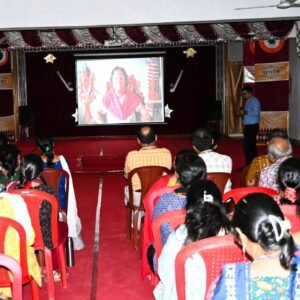
Understanding Different Types of Pain
Pain can be broadly associated with different mechanisms and conditions. For example, some pain may occur following an injury or surgery, while other pain can be associated with inflammation, musculoskeletal conditions, nerve involvement, or chronic health conditions.
Acute pain generally refers to pain that occurs over a relatively short period and may be associated with injury, illness, or a medical procedure.
Chronic pain is generally understood as pain that persists or recurs over an extended period. Chronic pain can affect everyday activities and may involve physical, psychological, and social factors.
Neuropathic or nerve-related pain can have characteristics that differ from other forms of pain. Depending on the underlying condition, people may describe sensations such as burning, tingling, or electric-like discomfort.
Because pain can have different causes and characteristics, proper clinical evaluation is important before deciding on an appropriate management approach.
The Role of Early Awareness
Awareness does not necessarily mean that every episode of pain requires immediate medical intervention. Instead, it helps people become more attentive to changes in their health.
For example, pain that continues longer than expected, repeatedly returns, interferes with normal activities, or occurs without an obvious explanation may warrant professional evaluation.
Early awareness can also help people avoid relying solely on assumptions or informal advice.
The appropriate next step depends on the individual and the nature of the pain. A healthcare professional can assess symptoms, medical history, physical findings, and other relevant factors before recommending appropriate management.
Pain Management Requires an Individualised Approach
There is no single approach that works for every type of pain. Pain management may involve different strategies depending on the cause, duration, severity, and individual circumstances.
Depending on clinical assessment, management may involve lifestyle measures, physical rehabilitation, medicines, psychological support, interventional approaches, or combinations of different methods.
For selected patients, interventional pain management may form part of a broader treatment plan. Such procedures should only be considered after appropriate clinical assessment and discussion with a qualified healthcare professional.
This is why pain awareness should focus on understanding rather than promising a particular treatment or outcome.
Encouraging Students to Become Health-Aware
A school-based health awareness initiative can have benefits beyond the immediate programme.
Students are active members of their families and communities. When young people learn how to approach health information responsibly, they may share useful awareness with parents, grandparents, relatives, and friends.
A Pain Awareness Campaign in a school environment can therefore contribute to broader community education.
Students can learn that:
- Health concerns should be discussed responsibly.
- Persistent symptoms should not automatically be ignored.
- Internet information should be evaluated carefully.
- Self-diagnosis can be unreliable.
- Professional medical advice is important when symptoms require assessment.
- Prevention, awareness, and healthy habits are important parts of overall health.
These simple lessons can contribute to a stronger culture of health awareness.
Pain Awareness and Quality of Life
Pain can affect more than the physical body. Persistent pain may interfere with sleep, mobility, concentration, work, education, recreation, and social participation.
For this reason, effective pain management is often about more than reducing a pain score. Depending on the individual situation, healthcare professionals may also consider functional ability, daily activities, sleep, emotional wellbeing, and overall quality of life.
Awareness can help people recognise these broader effects and understand why persistent pain deserves appropriate attention.
The Importance of Professional Pain Management
Modern pain medicine includes a range of approaches for evaluating and managing different pain conditions. Pain specialists may work alongside other healthcare professionals depending on the patient’s condition.
A multidisciplinary approach may be considered when pain is complex or involves multiple contributing factors.
The objective of professional pain management is to understand the individual patient’s condition and develop an appropriate management plan based on clinical findings.
Awareness programmes can introduce communities to these concepts without encouraging people to select treatments without medical advice.
Pain Free Odisha: Promoting Pain Awareness
Pain Free Odisha works toward creating greater awareness about pain and its appropriate management. Initiatives such as the Pain Awareness Campaign at DAV Public School, Kalinganagar, support the broader goal of making pain education a meaningful part of community health awareness.
The message is simple: pain should be understood.
People should have access to reliable information so that they can make informed decisions about seeking appropriate healthcare when necessary.
By encouraging conversations around pain, awareness campaigns can help reduce misconceptions and promote a more informed approach to health.
From Awareness to Action
Awareness is the first step, but meaningful health education should also encourage responsible action.
When someone experiences persistent or concerning pain, an appropriate response may include discussing the symptoms with a qualified healthcare professional. The clinician can determine whether further examination, investigation, or treatment is required.
People should avoid assuming that the same treatment will work for everyone. Pain management should be based on the individual’s condition and professional assessment.
This balanced approach helps ensure that awareness leads to informed healthcare decisions rather than unnecessary fear or self-treatment.
Creating a Pain-Aware Odisha
Building a healthier Odisha requires awareness at multiple levels, including schools, workplaces, healthcare institutions, families, and communities.
A Pain Awareness Campaign is one way to begin that conversation.
When people understand that pain can have different causes and that persistent pain may deserve professional attention, they become better equipped to approach health concerns responsibly.
Educational initiatives can also encourage younger generations to value preventive health, reliable information, and professional medical guidance.
The vision of a Pain Free Odisha is therefore closely connected with education and awareness. The goal is to create communities where people understand pain, know when to seek help, and are aware that appropriate management options may exist.
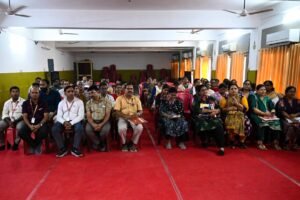
Continuing the Conversation About Pain
One awareness programme cannot answer every question about pain. However, each conversation can contribute to a larger culture of health education.
The Pain Awareness Campaign at DAV Public School, Kalinganagar, is a meaningful example of how healthcare awareness can reach educational communities.
Continued programmes, professional discussions, public education, and responsible health communication can help make pain awareness more accessible.
The more people understand pain, the more confidently they can recognise when professional advice may be appropriate.
Conclusion
The Pain Awareness Campaign at DAV Public School, Kalinganagar, represents an important step toward creating greater understanding of pain and its management.
Pain is a complex health experience, and persistent or recurring pain should not simply be dismissed without considering its possible causes. Awareness can help individuals understand their symptoms, avoid misconceptions, and recognise when professional evaluation may be appropriate.
Through Pain Free Odisha, the message of pain awareness can reach schools, families, workplaces, and communities across Odisha.
Pain awareness begins with awareness.
By educating communities and encouraging responsible healthcare conversations, we can work toward a more informed and health-conscious society.
Relieving Pain. Restoring Life.
