
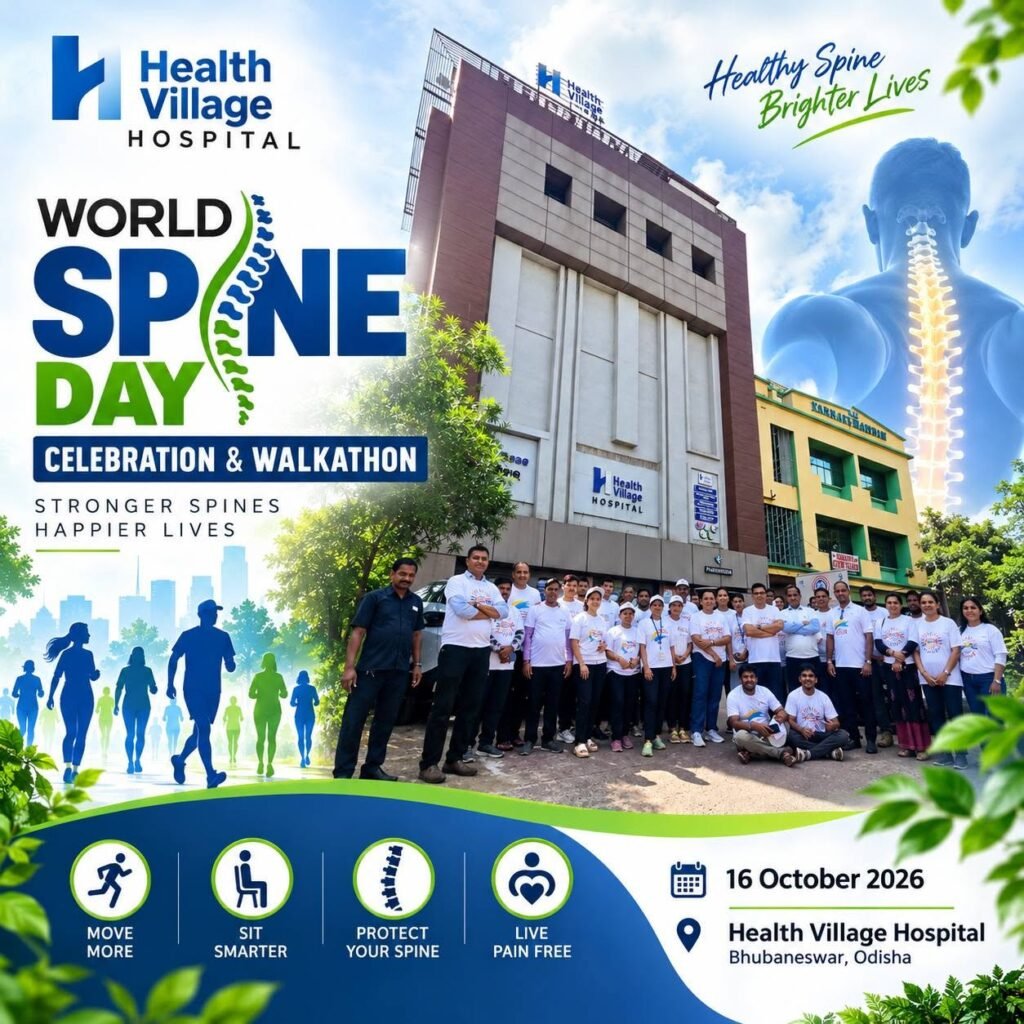
World Spine Day: Promoting Non-Surgical Spine Care at Health Village Hospital, Bhubaneswar
A healthy spine is essential for comfortable movement, flexibility and an active lifestyle. From sitting at work and walking outdoors to performing household activities, spinal health plays an important role in everyday life. However, persistent back pain, neck pain, slipped disc-related symptoms and other spine conditions can affect mobility, sleep, work and overall well-being.
On World Spine Day, Pain Free Odisha highlights the importance of spinal health awareness and the role of appropriate diagnosis in identifying suitable treatment options. At Health Village Hospital, Bhubaneswar, the focus includes non-surgical spine interventions and minimally invasive pain management for eligible patients experiencing chronic back pain, slipped disc-related symptoms and other spine-related conditions.
The central message is simple: surgery is not always the only option for spine-related pain. Depending on the diagnosis and individual circumstances, non-surgical treatment may be appropriate. A thorough clinical assessment helps determine which options are suitable for each patient.
Through awareness, responsible healthcare information and timely medical consultation, World Spine Day encourages people to take better care of their spines and make informed decisions about their health.
What Is World Spine Day?
World Spine Day is an international awareness initiative observed annually on 16 October. It brings attention to spinal health, back pain, spinal disability and the importance of adopting healthy habits throughout life. The campaign encourages individuals, healthcare professionals and communities to support spinal well-being through physical activity, appropriate posture, safe lifting practices and healthier working environments. Learn more from the official World Spine Day website.
Spine-related problems can affect people of different ages and occupations. Office workers may experience discomfort after prolonged sitting, while people whose jobs involve lifting, driving or repetitive movements may face different physical demands. Older adults may also experience spinal changes associated with ageing.
World Spine Day reminds people that spinal health deserves attention before pain begins to interfere significantly with daily activities. It also encourages people experiencing persistent symptoms to seek appropriate professional guidance rather than relying only on self-medication or unverified treatment advice.

Why Spinal Health Matters for Everyday Life
The spine provides structural support to the body, helps maintain posture and allows the trunk to bend, turn and move. It also protects the spinal cord, which is part of the central nervous system.
Healthy movement depends on the coordinated function of the spine, muscles, joints, discs and surrounding structures. When one or more of these structures becomes irritated, injured or affected by disease, a person may experience pain, stiffness or limitations in movement.
Back pain is a common health concern worldwide. It can affect people across different age groups and may arise from various causes, including muscular strain, disc-related problems, joint conditions or other medical issues. The appropriate response depends on the symptoms, medical history and clinical findings.
Spinal health matters because persistent discomfort can affect several aspects of daily life, including:
- Sitting, standing and walking comfortably.
- Sleeping and resting properly.
- Performing household activities.
- Maintaining productivity at work.
- Participating in exercise and recreational activities.
- Enjoying independence and everyday mobility.
Recognising these effects is an important first step towards seeking appropriate care.
Common Spine-Related Conditions
Understanding common spine-related problems can help people recognise when they may need professional assessment. However, symptoms alone cannot confirm a diagnosis, and similar symptoms may occur in different conditions.
1. Chronic Back Pain
Chronic back pain is pain that persists or repeatedly returns over an extended period. It may affect the lower, middle or upper back and can interfere with work, sleep and movement.
Possible contributing factors include muscular strain, changes in spinal joints, disc-related conditions and other health problems. In many cases, the exact cause cannot be determined from symptoms alone.
People with persistent back pain should consult a qualified healthcare professional to understand the possible cause and discuss appropriate management options.
2. Slipped Disc or Herniated Disc
A slipped disc, commonly called a herniated or prolapsed disc, occurs when material from an intervertebral disc extends beyond its usual boundary. Depending on the location and whether nearby nerves are affected, symptoms may include back or neck pain, tingling, numbness or pain radiating into an arm or leg.
A slipped disc does not automatically mean surgery is required. Some people may improve with conservative care, while others may need further investigation or specialist treatment. The appropriate approach depends on the clinical assessment, symptom severity and response to previous treatment.
3. Neck Pain and Cervical Spine Problems
Neck pain can be associated with muscular strain, prolonged screen use, joint changes or cervical disc conditions. Some individuals may also experience shoulder discomfort, headaches or symptoms extending into the arms.
Improving workstation ergonomics and taking regular movement breaks may help some people manage everyday discomfort. Persistent pain, worsening symptoms or pain accompanied by numbness or weakness should be assessed professionally.
4. Sciatica and Nerve-Related Pain
Sciatica describes pain that travels along the path of the sciatic nerve, often from the lower back through the buttock and into the leg. It may occur when a nerve is irritated or compressed.
Some people experience tingling, numbness or weakness in addition to pain. Treatment depends on the underlying cause and the findings of a clinical examination.
New or rapidly worsening weakness, numbness around the groin, or new bladder or bowel control problems require urgent medical attention.
5. Age-Related Spinal Changes
As people grow older, changes may occur in spinal discs, joints and surrounding structures. These changes do not always cause pain, and imaging findings must be interpreted alongside symptoms and clinical examination.
When discomfort or reduced mobility develops, a healthcare professional can help determine whether treatment, rehabilitation or additional assessment may be appropriate.

Non-Surgical Spine Care: Exploring Appropriate Treatment Options
Non-surgical spine care includes different approaches that may be used according to the patient’s condition. It is not a single treatment, and not every option is suitable for every person.
At Health Village Hospital, Bhubaneswar, the hospital’s published services include pain management and orthopaedic care. Its pain management information describes pain medicine as a field concerned with the prevention, diagnosis and treatment of pain. Patients can learn more through the official Health Village Hospital website.
Accurate Diagnosis Comes First
Before deciding on treatment, the healthcare professional may review the patient’s symptoms, medical history, previous treatment and physical examination findings. Imaging or other investigations may be recommended when clinically necessary.
A correct diagnosis helps guide treatment decisions and identify whether the symptoms may require conservative management, a specialist pain intervention or a surgical opinion.
Conservative Treatment and Activity Guidance
Depending on the condition, treatment may include appropriate medication, modification of activities and advice about maintaining movement. A clinician may recommend avoiding specific activities temporarily while encouraging safe movement as recovery progresses.
Patients should not start, stop or change prescribed medication without consulting the treating professional.
Physiotherapy and Rehabilitation
Physiotherapy may help selected patients improve strength, flexibility, mobility and functional movement. Depending on the diagnosis, a programme may include individually appropriate exercises, movement education and gradual return to regular activities.
People with significant pain, existing neurological symptoms or a diagnosed spine condition should seek professional advice before beginning a new exercise programme.
Minimally Invasive Pain Management
For selected patients, minimally invasive pain management procedures may be considered when symptoms persist and other appropriate measures have not provided sufficient relief.
Depending on the diagnosis, certain specialist procedures may involve targeted injections or other interventions intended to address specific sources of pain. The choice of procedure requires clinical assessment and consideration of possible benefits, risks and alternatives.
These interventions are not appropriate for every patient and do not guarantee complete or permanent relief. A qualified clinician should explain the purpose of a recommended procedure and the likely outcomes based on the individual’s circumstances.
When Surgical Assessment May Be Necessary
Some spine conditions require surgical assessment, particularly when there is significant nerve compression, progressive neurological impairment or another condition for which surgery may offer important benefits.
Non-surgical treatment should not delay necessary care. The aim is to identify the most appropriate treatment pathway rather than to avoid surgery in every situation.
Is Surgery Always Necessary for Back Pain?
One of the important messages of World Spine Day is that patients should understand their options before making decisions about treatment.
Surgery is not always the first option for spine-related pain. Depending on the diagnosis, some patients may be advised to consider conservative management, rehabilitation or selected pain management interventions.
For example, a person with certain types of lower back pain may benefit from guided activity and physiotherapy. Someone with persistent symptoms associated with a specific spinal condition may require a specialist assessment to determine whether an intervention is suitable.
However, treatment decisions should never be based on general claims alone. A procedure that helps one patient may not be suitable for another, and some conditions need urgent or surgical treatment.
The most important steps are to identify the cause of the symptoms, understand the available options and discuss the benefits and risks with a qualified healthcare professional.
Everyday Habits That May Support Spine Health
Although not every spinal condition can be prevented, healthy daily habits may support general musculoskeletal well-being and help people maintain comfortable movement.
Maintain a Comfortable Workstation
Position your screen at a comfortable viewing height and arrange your chair and desk to support a relaxed working posture. Avoid remaining in the same position for prolonged periods.
There is no single perfect posture for everyone. Regularly changing positions and moving throughout the day are also important.
Take Movement Breaks
People who work at desks or drive for long periods may benefit from regular breaks to stand, walk or move gently when it is safe and practical.
Frequent movement can help reduce the demands associated with prolonged static positions.
Stay Physically Active
Regular physical activity can support muscle strength, mobility, balance and overall health. Walking and appropriate strengthening activities may be useful for many people.
Exercise should be adjusted to individual ability and health needs. If an activity increases pain significantly or causes new neurological symptoms, stop and seek appropriate advice.
Use Safe Lifting Techniques
When lifting objects, keep the load close to the body, avoid sudden twisting and seek assistance with heavy or awkward items. Workplace training and suitable lifting equipment may help reduce unnecessary strain.
Pay Attention to Persistent Pain
Do not ignore pain that repeatedly returns, worsens or interferes with sleep, work or everyday activities. Seeking advice can help identify the possible cause and determine whether further assessment is needed.
Support Overall Well-Being
Adequate rest, regular activity and healthy lifestyle habits contribute to general health. People with existing spine conditions may benefit from discussing appropriate long-term activity and rehabilitation goals with their healthcare team.
When Should You Seek Medical Help?
Many episodes of back pain are not caused by serious conditions, but some symptoms require prompt assessment.
Seek urgent medical attention if back pain is accompanied by new bladder or bowel control problems, numbness around the groin or saddle area, or significant or rapidly worsening weakness in the legs. These symptoms may indicate a serious problem affecting the nerves.
Medical assessment is also important for pain following a significant injury, pain accompanied by fever or serious illness, unexplained worsening symptoms, or persistent numbness and tingling.
People experiencing pain that spreads into the arms or legs, reduced mobility or difficulty carrying out routine activities should discuss their symptoms with a qualified healthcare professional.
Early assessment may help identify conditions that require specific treatment. Avoid diagnosing yourself based only on online information.
Health Village Hospital and Pain Management Awareness in Bhubaneswar
World Spine Day provides an opportunity to highlight the importance of accessible health information and appropriate care for people experiencing spine-related pain.
Health Village Hospital in Bhubaneswar lists pain management, orthopaedics and neurosurgery among its hospital services. Its published information also identifies pain care specialist Dr. Shovan Kumar Rath. Patients seeking care should contact the hospital directly to confirm current services and determine which consultation may be appropriate for their needs.
The focus on non-surgical spine interventions and minimally invasive pain management encourages patients to learn about suitable treatment options after proper assessment. It also reinforces the importance of understanding that different conditions require different approaches.
Pain Free Odisha supports public awareness about pain-related conditions and the importance of responsible healthcare information. By sharing educational content, the initiative encourages people to recognise persistent symptoms, seek professional guidance and make informed decisions about their health.
Learn more through the official Health Village Hospital website and the Pain Free Odisha website.
Why Spine Health Awareness Matters in Odisha
Spine-related discomfort can affect people in different occupations and communities. People may continue working through persistent pain, rely on unverified remedies or delay consultation because they are unsure where to seek help.
Greater awareness can encourage people to take symptoms seriously and understand that an appropriate care plan depends on the cause of the problem.
Healthcare professionals, hospitals, rehabilitation providers and public awareness initiatives all have a role in helping people access reliable information. Clear communication can help patients understand the difference between general self-care, conservative treatment, specialist pain management and conditions that may need surgical evaluation.
For communities across Odisha, the goal should be to encourage timely assessment and informed treatment decisions rather than promise a single solution for every type of back pain.
World Spine Day is a reminder that spinal health deserves attention throughout the year. Small changes in work habits, safe movement, appropriate physical activity and timely medical consultation can all contribute to better health management.
Conclusion: A Healthier Spine for a More Active Life
World Spine Day highlights the importance of spinal health, everyday movement and appropriate care for people experiencing back pain and other spine-related conditions.
Through its focus on non-surgical spine interventions and minimally invasive pain management, Health Village Hospital and Pain Free Odisha encourage people to understand their symptoms and explore suitable treatment options with qualified healthcare professionals.
For some patients, non-surgical care may be appropriate. Others may require additional investigations, specialist procedures or surgical assessment. The right approach begins with an accurate diagnosis and an individualised treatment plan.
By promoting awareness, encouraging responsible care-seeking and supporting informed discussions about treatment, we can help more people understand the importance of spinal health.
Pain Free Odisha — Relieving Pain. Restoring Life.
Medical disclaimer: This article is for general educational purposes and does not replace professional medical advice, diagnosis or treatment. Treatment options and outcomes vary according to individual circumstances. Consult a qualified healthcare professional for advice about your symptoms.
