
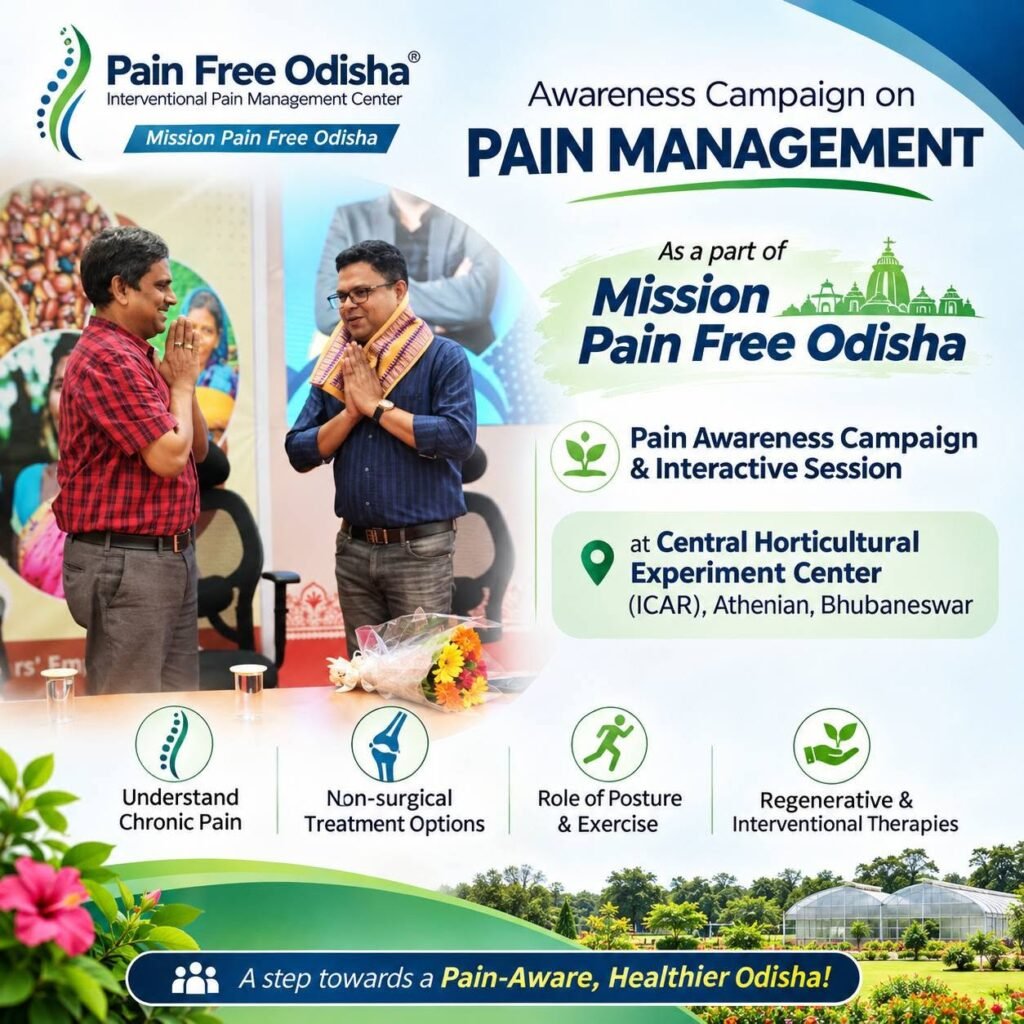
Pain Awareness Campaign at Central Horticultural Experimental Station, Bhubaneswar
Pain awareness plays an important role in helping people understand their health, recognise persistent symptoms and make informed decisions about treatment. As part of its ongoing commitment to public education, Pain Free Odisha conducted an enriching Pain Awareness Campaign at the Central Horticultural Experimental Station, Bhubaneswar.
The awareness session focused on chronic pain and its management, highlighting the importance of early diagnosis, non-surgical treatment options, exercise and modern interventional pain management.
Through interactive discussions, the initiative encouraged participants to understand that persistent pain should not be ignored. Appropriate medical assessment and timely guidance can help identify possible causes and determine suitable management options.
The campaign also carried an important message in Odia:
“ବେଦନାକୁ ଅଣଦେଖା କରନ୍ତୁ ନାହିଁ।”
Do not ignore pain.
The message reinforces a simple principle: awareness and timely medical attention are important first steps towards managing pain responsibly.
With the guiding message “Pain Free Odisha – Relieving Pain. Restoring Life.”, the initiative represents another step towards building a more informed and pain-aware society.
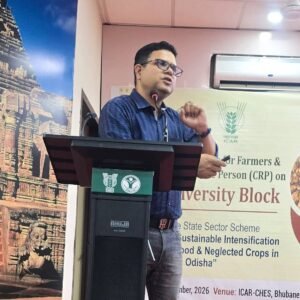
Pain Awareness Campaign at Central Horticultural Experimental Station
The Pain Awareness Campaign at the Central Horticultural Experimental Station in Bhubaneswar was organised as part of the wider Mission Pain Free Odisha initiative.
The session provided an opportunity to discuss chronic pain, its possible effects on daily life and the importance of understanding available management approaches.
Pain can affect people across different age groups and professional backgrounds. It may influence physical activity, work responsibilities, sleep and everyday comfort. While some pain improves as an injury or illness heals, persistent or recurring pain may require further medical evaluation.
The awareness session highlighted several important topics:
- Understanding chronic pain and its possible causes.
- Recognising the importance of early diagnosis and professional medical assessment.
- Learning about non-surgical pain management options.
- Understanding the role of exercise and appropriate physical activity.
- Becoming aware of modern interventional pain management approaches.
Interactive discussions helped communicate these topics in an accessible way and encouraged participants to take an informed approach towards their health.
The initiative reflects the belief that pain education should reach people in different professional and community settings, not remain limited to hospitals and clinics.
Why Chronic Pain Awareness Matters
Chronic pain can affect many aspects of a person’s life. It may continue for an extended period, return repeatedly or remain even after the initial injury or condition has improved.
People experiencing persistent pain may find it difficult to carry out everyday activities. Depending on the underlying condition, pain may affect walking, sitting, working, sleeping and participating in family or social activities.
Some people may become accustomed to discomfort and delay seeking medical advice. Others may rely on home remedies or medicines without understanding the cause of their symptoms.
Pain awareness helps address these concerns by encouraging people to recognise when professional evaluation may be necessary.
Chronic pain can be associated with different conditions, including:
1. Chronic back pain
Persistent back pain may be associated with muscle-related problems, spinal conditions, injuries or other medical causes. An appropriate clinical assessment can help identify the possible source and guide treatment decisions.
2. Neck and shoulder pain
Discomfort in the neck and shoulder region can affect movement, posture and routine activities. Persistent symptoms may require evaluation to understand their cause.
3. Knee and joint pain
Joint pain can develop for several reasons, including injuries, inflammatory conditions and degenerative changes. Management depends on the diagnosis and the individual’s needs.
4. Nerve-related pain
Burning, tingling, shooting or electric-shock-like sensations may sometimes indicate nerve involvement. These symptoms should be assessed when persistent, worsening or associated with other concerning changes.
5. Other persistent pain conditions
Some people experience recurring headaches, facial pain or pain in other body regions. Since these symptoms can have different causes, professional evaluation is important before selecting a treatment approach.
Understanding the different forms of pain helps people appreciate why accurate diagnosis matters.
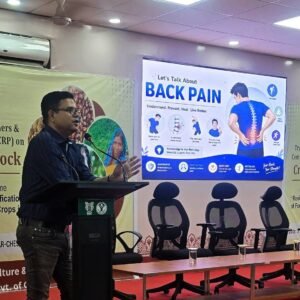
Early Diagnosis: An Important Step Towards Better Pain Management
One of the key messages highlighted during the awareness session was the importance of early diagnosis.
Pain is a symptom, not a complete diagnosis. The same type of discomfort can arise from different medical conditions, and the appropriate treatment may vary accordingly.
A healthcare professional may consider several factors during an assessment, including:
- Where the pain is located.
- When the symptoms first appeared.
- How long the pain has continued.
- Whether the pain is constant or intermittent.
- What activities or movements make it better or worse.
- Whether there are associated symptoms such as numbness, weakness or swelling.
- The individual’s medical history and previous treatment.
Depending on the findings, a clinician may recommend further investigations or referral to an appropriate specialist.
Early assessment does not mean every pain condition requires extensive testing or immediate intervention. It means recognising persistent or concerning symptoms and seeking suitable guidance rather than ignoring them.
The message “ବେଦନାକୁ ଅଣଦେଖା କରନ୍ତୁ ନାହିଁ” encourages people to take their symptoms seriously and make informed healthcare decisions.
Understanding Non-Surgical Pain Management
Another important topic discussed during the campaign was non-surgical pain management.
Surgery is an essential treatment for certain medical conditions, but it is not necessary for every type of pain. Depending on the diagnosis, some patients may be suitable for non-surgical approaches.
The goal of pain management is not simply to reduce discomfort. It may also involve improving physical function, supporting daily activities and helping individuals manage the effects of persistent pain.
Possible non-surgical approaches include:
Medication-Based Treatment
A healthcare professional may recommend selected medicines depending on the type and cause of pain. The choice of medicine should consider the individual’s medical history, other medications and potential side effects.
People should avoid increasing doses or combining medicines without appropriate medical advice.
Physiotherapy and Rehabilitation
Physiotherapy may help selected individuals improve mobility, strength, flexibility and physical function.
A rehabilitation programme should be appropriate for the person’s diagnosis and physical abilities. Exercises should be introduced gradually and guided by qualified professionals when necessary.
Lifestyle and Activity Modification
Daily habits may influence physical comfort and movement. Depending on individual needs, healthcare professionals may discuss activity modification, posture, suitable movement breaks and gradual physical conditioning.
Interventional Pain Management
Modern interventional pain management includes selected procedures that may be considered for particular pain conditions.
Depending on the diagnosis, a specialist may discuss minimally invasive or image-guided procedures. These approaches are not appropriate for everyone, and their potential benefits, risks and alternatives should be explained before treatment.
Individualised Pain Management Plans
Different people can experience similar symptoms for different reasons. Therefore, pain management should be tailored to the individual rather than following one approach for everyone.
The awareness session encouraged participants to understand that non-surgical options may be available for selected conditions and that treatment decisions should always follow appropriate clinical evaluation.
The Role of Exercise in Pain Management
Exercise and physical activity were among the important topics highlighted during the awareness session.
For some people with musculoskeletal pain, suitable physical activity and guided exercise may support strength, flexibility, mobility and overall physical function.
However, exercise should be selected according to the individual’s condition. An activity that is appropriate for one person may not be suitable for another.
Depending on medical advice, a person may be guided towards:
- Gentle mobility exercises.
- Strengthening activities.
- Flexibility and stretching exercises.
- Walking or other suitable low-impact activities.
- Structured physiotherapy and rehabilitation.
The intensity and progression of exercise should be adjusted according to the person’s abilities and symptoms.
People should not force movements that cause significant pain or continue exercising through new or worsening symptoms without seeking guidance.
The purpose of exercise in pain management is to support safe movement and function, not to replace diagnosis or necessary medical treatment.
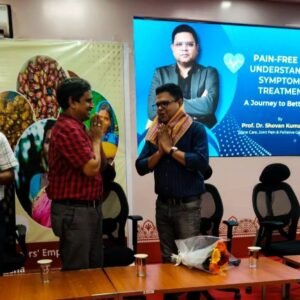
Modern Interventional Pain Management
Modern interventional pain management is an important area of specialist care for selected pain conditions.
It involves procedures that aim to target particular structures or pain pathways after an appropriate clinical assessment.
Depending on the patient’s condition, medical history and examination findings, a pain specialist may discuss options such as selected nerve blocks or other image-guided procedures.
These interventions are not universal treatments. Their suitability depends on the diagnosis, and outcomes can vary between individuals.
Patients should understand the intended purpose of a procedure, its possible benefits, limitations, risks and available alternatives before making a decision.
The awareness session introduced participants to the importance of understanding modern pain management approaches and the role specialist evaluation plays in selecting appropriate care.
Pain Awareness in Professional and Research Institutions
Awareness programmes in professional institutions can help bring important healthcare information to people who may not regularly attend medical education events.
The Central Horticultural Experimental Station provided a setting for an interactive discussion about pain management and general health awareness.
People working in different professional environments may have different daily routines and physical demands. Some may spend extended periods sitting, standing, travelling or performing repetitive activities.
Although these activities do not automatically lead to chronic pain, understanding physical health and recognising persistent symptoms can encourage people to seek appropriate advice.
Workplace and institutional awareness sessions can support this by:
- Sharing reliable health information.
- Encouraging open discussion about persistent pain.
- Explaining the importance of professional evaluation.
- Improving understanding of treatment options.
- Promoting responsible approaches to physical activity and well-being.
Such initiatives also help communicate that health awareness is a shared responsibility involving individuals, healthcare professionals and institutions.
Breaking Misconceptions About Pain
Many people have questions about persistent pain and its treatment. Awareness campaigns provide an opportunity to address common misconceptions.
Myth 1: Pain should always be ignored until it becomes severe.
Fact: Persistent, recurring or worsening pain deserves attention. Seeking professional advice can help identify possible causes and appropriate next steps.
Myth 2: Surgery is the only treatment for chronic pain.
Fact: Some conditions may be managed with medication, physiotherapy, rehabilitation or selected interventional approaches. Other conditions may require surgery. Treatment depends on the diagnosis.
Myth 3: Exercise is always harmful when someone has pain.
Fact: Appropriate exercise may support function in selected conditions. The type and intensity should be guided by the person’s condition and professional advice.
Myth 4: Everyone with chronic pain needs the same treatment.
Fact: Pain has different causes and affects individuals differently. Management should be personalised.
Myth 5: Pain medicines can be taken without considering their risks.
Fact: Medicines can have side effects and interactions. They should be used according to appropriate medical guidance.
Accurate information helps people avoid assumptions and become more confident participants in their healthcare decisions.
Pain Free Odisha: Spreading Awareness Across Communities
Pain Free Odisha continues to promote awareness about pain management and the importance of appropriate care.
The mission focuses on helping people understand pain, learn about available treatment approaches and recognise the importance of professional medical guidance.
Awareness activities in institutions and workplaces provide opportunities to share this information with different groups of people.
The campaign at the Central Horticultural Experimental Station is another example of taking pain education beyond traditional clinical settings.
The initiative reflects the wider message that people should have access to clear information about chronic pain and understand that treatment decisions need to be based on individual clinical assessment.
The guiding message, “Relieving Pain. Restoring Life.”, expresses the importance of improving awareness and supporting people in their journey towards better pain management.
A Message of Gratitude to the Central Horticultural Experimental Station Team
A successful awareness programme depends on the participation and cooperation of the people involved.
Heartfelt thanks are extended to the entire Central Horticultural Experimental Station team for the warm welcome and active participation during the Pain Awareness Campaign.
Their support helped create an opportunity to discuss chronic pain, early diagnosis, exercise and modern pain management approaches.
Institutional participation in health awareness programmes is valuable because it encourages people to engage with important health topics and share information within their professional and personal communities.
The campaign represents a positive example of how collaboration can support public education and encourage a more informed approach to health and well-being.
Building a Pain-Aware and Pain-Free Odisha
Creating a pain-aware society requires more than a single awareness programme. It involves continued education, reliable information, timely medical guidance and cooperation across communities.
People should feel encouraged to discuss persistent pain with qualified healthcare professionals rather than ignoring symptoms or depending entirely on unverified information.
Healthcare awareness initiatives can help individuals understand their symptoms, ask relevant questions and explore treatment options suitable for their conditions.
The message in Odia captures this purpose:
“ବେଦନାକୁ ଅଣଦେଖା କରନ୍ତୁ ନାହିଁ।”
Pain should not be ignored. Awareness and timely medical guidance are important steps towards responsible pain management.
Through initiatives such as the campaign at the Central Horticultural Experimental Station, Mission Pain Free Odisha continues to encourage conversations about chronic pain and better health awareness.
Conclusion: Relieving Pain. Restoring Life.
The Pain Awareness Campaign at the Central Horticultural Experimental Station, Bhubaneswar, was a meaningful initiative under Mission Pain Free Odisha.
Through interactive discussions, the session highlighted chronic pain awareness, early diagnosis, non-surgical treatment options, exercise and modern interventional pain management.
The initiative reinforced an important message: persistent pain should not be ignored, and appropriate medical guidance can help people understand their condition and explore suitable care.
Sincere thanks to the entire Central Horticultural Experimental Station team for their warm welcome and participation.
Together, through education, awareness and responsible healthcare decisions, we can work towards a more informed and supportive society.
Mission Pain Free Odisha
Relieving Pain. Restoring Life.
Together, let’s build a Pain-Aware and Pain-Free Odisha!
