

Excellence in Pain Medicine: Recognition on World Anaesthesia Day
Pain management is an important part of modern healthcare, helping clinicians address pain associated with surgery, injuries, chronic conditions and other medical problems. For many patients, appropriate pain care can support mobility, comfort, daily functioning and quality of life. On World Anaesthesia Day, the contribution of anaesthesia professionals to patient care and pain medicine deserves special recognition.
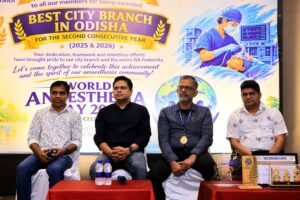
The World Anaesthesia Day celebration provided a proud moment with a felicitation for “Excellence in Pain Medicine.” This recognition serves as encouragement to continue working towards better pain care and to support the wider mission of Pain Free Odisha.
Sincere gratitude was expressed to Dr. Jitamitra Mishra, Past President of the Indian Society of Anaesthesiologists (ISA), Bhubaneswar City Branch; Dr. Ritesh Roy; Dr. Gaurav Agarwal; and the entire ISABC team for the recognition and for making the occasion memorable.
Beyond the personal significance of an award, such recognition offers an opportunity to highlight the importance of professional dedication, continued learning, patient-centred care and greater awareness of pain management.
World Anaesthesia Day: Recognising the Contribution of Anaesthesia Professionals
World Anaesthesia Day is observed annually on 16 October, commemorating the historic public demonstration of ether anaesthesia in 1846. This development helped transform surgical care by making procedures possible without the severe pain previously associated with surgery. The day also provides an opportunity to recognise the essential role of anaesthesia professionals in patient safety and healthcare. The World Federation of Societies of Anaesthesiologists provides information about the history and purpose of this international observance.
Anaesthesiologists contribute to healthcare in many ways. Their work may include assessing patients before surgery, planning and administering anaesthesia, monitoring vital functions during procedures, supporting recovery after surgery and contributing to emergency and critical care.
Their expertise also extends to pain medicine, a field focused on assessing and managing different types of pain. Depending on their training and clinical practice, anaesthesia professionals may help patients experiencing acute pain after surgery, persistent pain associated with chronic conditions or other complex pain-related problems.
The World Anaesthesia Day celebration is therefore an opportunity to appreciate the people whose knowledge and clinical skills contribute to safe procedures, effective symptom management and patient well-being.
The World Federation of Societies of Anaesthesiologists has identified the 2026 theme as “Before, During and Beyond Surgery,” highlighting the contribution of anaesthesiologists throughout the patient’s healthcare journey.

Excellence in Pain Medicine: A Meaningful Professional Recognition
Being felicitated for Excellence in Pain Medicine is a meaningful milestone. It acknowledges professional contribution in an area of healthcare that requires careful assessment, clinical knowledge, continuing education and a strong commitment to patient needs.
Pain is not the same for every person. Its cause, severity, duration and impact can vary considerably. Some patients experience short-term pain after surgery or injury, while others live with persistent pain associated with musculoskeletal conditions, nerve problems or other illnesses.
Managing pain appropriately requires more than identifying where it hurts. Healthcare professionals may need to understand the underlying condition, assess how pain affects daily activities, review previous treatments and consider the patient’s overall health before planning care.
Professional excellence in pain medicine involves a commitment to these principles, alongside clear communication, ethical practice and the responsible use of appropriate treatment options.
Recognition at a professional celebration can also inspire clinicians to continue improving their knowledge and skills. It encourages reflection on the responsibilities involved in caring for patients and reinforces the importance of keeping patient safety and well-being at the centre of clinical decisions.
The felicitation for Excellence in Pain Medicine is therefore not only a proud personal moment; it is also an opportunity to bring greater attention to the value of specialised pain care.
Expressing Gratitude to the ISA Bhubaneswar City Branch Team
Heartfelt gratitude was extended to Dr. Jitamitra Mishra, Past President of the ISA Bhubaneswar City Branch; Dr. Ritesh Roy; Dr. Gaurav Agarwal; and the entire ISABC team for the recognition and for making the World Anaesthesia Day celebration memorable.
Professional milestones are often made more meaningful by the encouragement and support of colleagues. Medical associations and professional networks can help clinicians exchange knowledge, discuss clinical challenges, participate in academic activities and maintain connections with peers.
The Indian Society of Anaesthesiologists (ISA) is a professional organisation that supports anaesthesiology through education, professional development and collaboration. Its activities help bring professionals together around shared goals, including the advancement of anaesthesia practice and patient safety. More information is available on the official Indian Society of Anaesthesiologists website.
The contribution of a professional branch extends beyond organising events. Academic gatherings and professional celebrations can create opportunities to recognise achievement, share experiences and encourage continued commitment to high standards of care.
The appreciation expressed towards the ISABC team reflects the value of professional encouragement and collaboration in supporting the ongoing development of pain medicine.
Understanding the Importance of Pain Medicine
Pain is one of the most common reasons people seek medical care. It may occur following an injury, during recovery from surgery, alongside a medical condition or without an easily identifiable cause.
Pain can be broadly described as acute or chronic. Acute pain often develops in response to injury, surgery or illness and may improve as the underlying problem heals. Chronic pain persists or recurs over a longer period and may require a more comprehensive assessment and management plan.
Persistent pain can affect more than physical comfort. It may interfere with sleep, movement, concentration, work, relationships and emotional well-being. Its impact can differ from one person to another, which is why individual assessment is important.
Pain medicine focuses on understanding the factors contributing to pain and identifying suitable ways to manage it. Depending on the condition, care may involve medication, rehabilitation, psychological support, selected procedures or coordination with other medical specialties.
Not every patient requires specialist procedures, and no single treatment is appropriate for every type of pain. A healthcare professional should explain the available options, potential benefits, risks and limitations in the context of the patient’s condition.
Greater awareness of pain medicine can help patients understand that persistent pain deserves appropriate evaluation and that care should be guided by clinical evidence and individual needs.
The Role of Anaesthesiologists in Pain Management
Anaesthesiologists have specialised knowledge of medicines, physiological monitoring and the management of pain associated with medical procedures and other conditions. Depending on their training and scope of practice, some also provide specialist services for acute and chronic pain.
Managing Pain Around Surgery
Pain management is an important part of the surgical journey. Before a procedure, the clinical team may assess the patient’s medical history, existing conditions and individual risks to plan appropriate anaesthesia and pain relief.
During and after surgery, the team monitors the patient and adjusts care according to clinical needs. Suitable pain management may help patients rest and participate in recovery activities, although the experience and outcomes vary.

Supporting Patients With Persistent Pain
Some patients experience pain that continues long after an injury or medical procedure, or pain associated with chronic conditions. In selected cases, specialist pain assessment may help clarify the likely cause and identify possible treatment approaches.
Depending on the diagnosis, management may include medication review, rehabilitation, targeted procedures or referral to another specialist. Treatment should be tailored to the individual rather than based on a general assumption about what will work.
Promoting Patient Safety
Patient safety is central to anaesthesia and pain medicine. Medicines and procedures must be selected carefully, with consideration of a patient’s medical history, other medications, potential side effects and individual risks.
Open communication helps patients understand their treatment plans and recognise when they should seek further advice. Patients should not start, stop or alter prescribed medication without consulting their healthcare professional.
The contribution of anaesthesiologists extends across multiple stages of care, making their expertise important to both procedural safety and appropriate pain management.
Why Professional Recognition Matters in Healthcare
Professional recognition can encourage continued learning, reinforce high standards and acknowledge the effort involved in providing patient care.
Healthcare is continually evolving. New research, updated clinical guidance and changing patient needs require professionals to maintain their knowledge and critically evaluate treatment approaches.
Recognition can also help raise awareness of specialised areas of medicine that may not always receive sufficient public attention. Pain management is one such area, as persistent pain can affect daily life even when the underlying condition is not immediately visible to others.
A professional award should be viewed as both an achievement and an encouragement to continue learning, collaborating and placing patient needs first.
Events such as the World Anaesthesia Day celebration provide an opportunity to acknowledge professional contributions while reminding the wider community of the importance of safe anaesthesia, effective pain assessment and compassionate healthcare.
Building Greater Pain Awareness in Odisha
Pain-related conditions can affect people across Odisha, including individuals with musculoskeletal problems, injuries, postoperative discomfort and chronic illnesses. Some people may delay seeking advice because they believe persistent pain is an unavoidable part of ageing or recovery. Others may rely on self-medication or unverified remedies without understanding the cause of their symptoms.
Public awareness can encourage people to seek appropriate medical guidance and ask informed questions about their care.
A stronger understanding of pain medicine can help communities recognise that pain should be assessed according to its cause, duration, severity and effect on everyday activities. It can also help people understand that treatment may involve different approaches and that results vary according to the individual’s circumstances.
Healthcare professionals, hospitals, professional associations and public awareness initiatives all have a role in sharing reliable information. Collaboration can help people learn when to seek care, what questions to ask and why a personalised treatment plan matters.
The broader mission of Pain Free Odisha aligns with the goal of improving public understanding of pain and encouraging appropriate, responsible pain care.
Readers can explore further awareness information through the official Pain Free Odisha website.

Pain Free Odisha: Continuing the Mission Towards Better Pain Care
The message of “Mission Pain Free Odisha” represents a continuing commitment to greater awareness of pain and the importance of suitable care.
A pain-aware community is one in which people are encouraged to seek advice when symptoms persist, healthcare professionals take patients’ concerns seriously, and treatment decisions are made after appropriate assessment.
Pain relief does not always mean that every symptom can be eliminated. For some patients, meaningful progress may involve improved mobility, better sleep, greater ability to perform daily activities or better management of a long-term condition.
Healthcare communication should therefore remain realistic and patient-centred. The aim is to identify appropriate options, explain their potential benefits and limitations, and support people in making informed decisions with qualified professionals.
Professional recognition can strengthen this mission by encouraging continued dedication to learning, collaboration and the responsible practice of pain medicine.
The World Anaesthesia Day celebration offered a moment to appreciate the work of colleagues and to renew the commitment to better pain care. The recognition for Excellence in Pain Medicine is a reminder that every professional contribution can help keep patient well-being at the centre of healthcare.
Conclusion: A Proud Moment and a Continued Commitment
The felicitation for Excellence in Pain Medicine during the World Anaesthesia Day celebration was a proud and memorable occasion. Sincere appreciation to Dr. Jitamitra Mishra, Dr. Ritesh Roy, Dr. Gaurav Agarwal and the entire ISABC team reflects the importance of encouragement, professional collaboration and shared commitment within the medical community.
World Anaesthesia Day also provides a valuable opportunity to recognise the essential contribution of anaesthesia professionals before, during and beyond surgery, including their role in appropriate pain management.
This recognition serves as inspiration to continue learning, support responsible pain care and promote greater awareness of pain-related conditions across Odisha.
Together, healthcare professionals, organisations and communities can encourage informed decisions, compassionate care and appropriate treatment for people living with pain.
Mission Pain Free Odisha — Relieving Pain. Restoring Life.
Medical disclaimer: This article is intended for general educational and awareness purposes. It does not replace professional medical advice, diagnosis or treatment. Patients should consult a qualified healthcare professional for advice about their individual symptoms and treatment options.
