
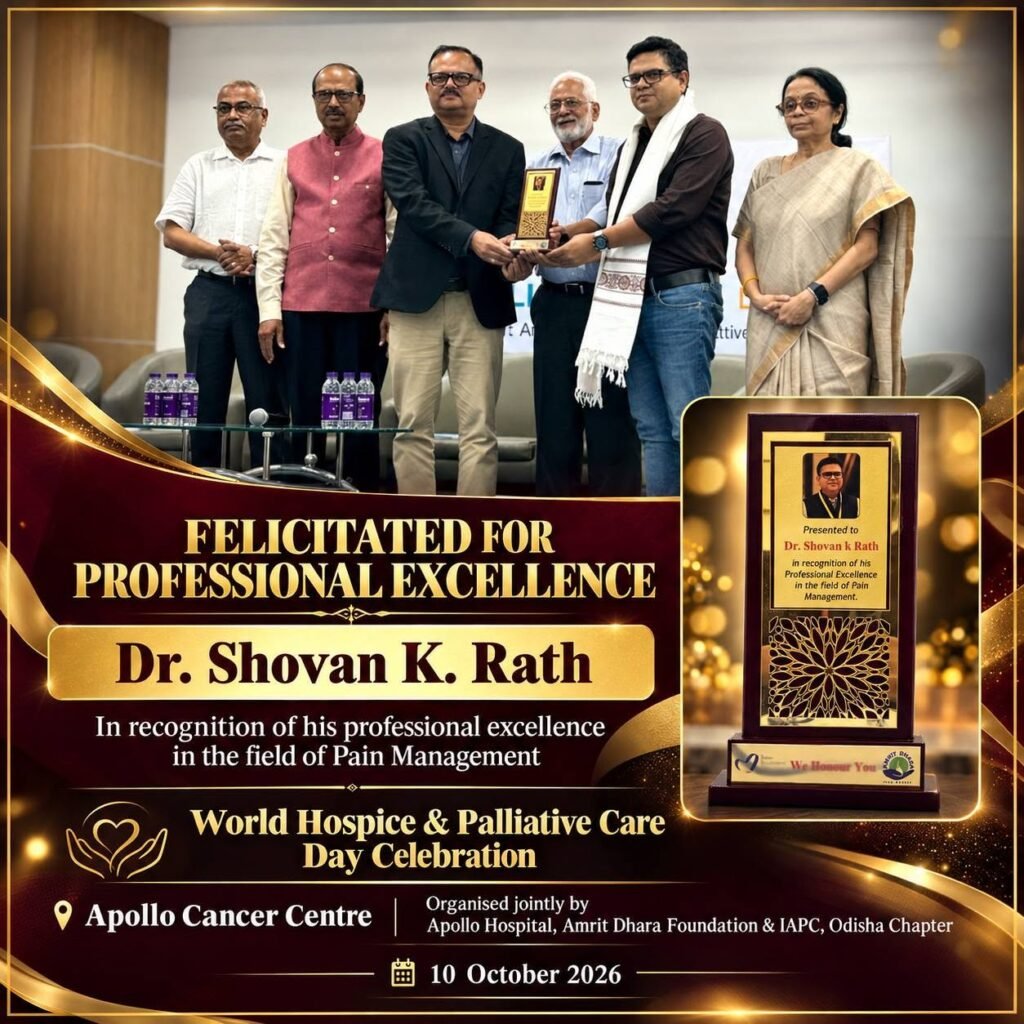
World Hospice and Palliative Care Day 2026: Recognising Excellence in Pain Management
Pain management is an essential part of compassionate healthcare. For people living with cancer, serious illnesses, or other complex health conditions, pain can affect physical comfort, emotional well-being, daily activities, and quality of life. Appropriate pain assessment and management can help address these challenges while supporting patients and their families through difficult periods.
On the occasion of World Hospice and Palliative Care Day 2026, a special celebration was held at Apollo Cancer Centre, Bhubaneswar, bringing attention to the importance of pain management within palliative care. The occasion was particularly meaningful, as a healthcare professional was honoured with a felicitation for Professional Excellence in Pain Management and participated as a resource person in a panel discussion on pain management.
Heartfelt appreciation was also extended to Dr. Mami Parija and the entire Amrit Dhara Palliative Care Trust for the recognition and for their initiative in supporting awareness about pain management and palliative care.
The occasion highlighted an important message: effective pain management, compassionate support, and greater public awareness are essential parts of a healthcare system that respects patients’ comfort, dignity, and individual needs.
World Hospice and Palliative Care Day 2026: A Meaningful Occasion
World Hospice and Palliative Care Day is an international awareness initiative that highlights the importance of hospice and palliative care for people living with serious illnesses and their families. It brings healthcare professionals, care organisations, communities, and advocates together to promote access to compassionate, person-centred care.
In 2026, the day was observed on 10 October, under the theme “Pain Management: An Essential Part of Palliative Care.” The theme emphasised the importance of recognising and addressing pain as part of comprehensive care for people living with serious health conditions.
Palliative care aims to improve quality of life by addressing suffering and other health-related concerns. Depending on an individual’s needs, it may involve managing pain and other physical symptoms while also providing psychological, social, and spiritual support.
It is not limited to the final days of life. Palliative care can be relevant at different stages of serious illness and may be provided alongside treatments intended to control or treat the underlying disease.
For more information about palliative care and its role in healthcare, readers can visit the World Health Organization’s palliative care resource and the Indian Association of Palliative Care.
Recognising Professional Excellence in Pain Management
Recognition for professional excellence is a meaningful opportunity to acknowledge dedication, expertise, and contributions to healthcare.
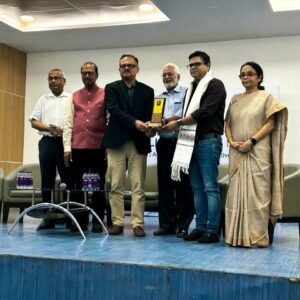
During the World Hospice and Palliative Care Day celebration at Apollo Cancer Centre, Bhubaneswar, the felicitation for Professional Excellence in Pain Management served as an important moment of appreciation for work in this specialised area of medicine.
Pain management requires an understanding of the many factors that can contribute to pain, including the underlying medical condition, the patient’s symptoms, and the effect of pain on everyday life. It also requires careful assessment, appropriate treatment planning, and communication with patients and their families.
Professional recognition can encourage continued learning, clinical responsibility, and a commitment to improving the experience of people living with pain.
Such occasions also help bring attention to the work of healthcare professionals who contribute to pain assessment, treatment, education, and awareness. Their efforts are part of a wider commitment to making appropriate pain care an integral component of healthcare.
The felicitation was therefore more than a moment of personal appreciation. It also provided an opportunity to reinforce the importance of pain management in compassionate and comprehensive patient care.
Sharing Expertise as a Resource Person in the Panel Discussion
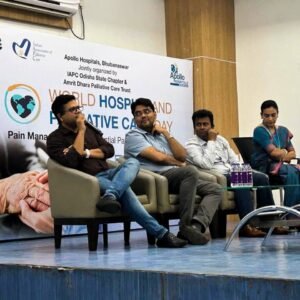
Another important part of the celebration was participation as a resource person in the panel discussion on pain management.
Panel discussions provide a platform for healthcare professionals to share perspectives, discuss challenges, and highlight important aspects of clinical care. They can encourage meaningful conversations about patient needs and the role of different healthcare approaches in managing pain.
Pain management is rarely a one-size-fits-all process. The causes, intensity, duration, and effects of pain can vary significantly from one person to another. A treatment approach that is suitable for one patient may not be appropriate for another.
Professional discussions can help reinforce the importance of individual assessment, evidence-informed practice, appropriate referral, and communication between healthcare professionals and patients.
The panel discussion at Apollo Cancer Centre, Bhubaneswar, placed pain management at the centre of the World Hospice and Palliative Care Day celebration. It provided an opportunity to contribute professional knowledge to a conversation about a subject that has a direct impact on the comfort and well-being of patients.
Sharing knowledge in such forums also supports broader awareness that pain should be assessed carefully and managed according to the individual’s condition, goals, and medical needs.
Understanding the Importance of Pain Management in Palliative Care
Pain is one of the symptoms that may affect people living with serious or life-limiting illnesses. However, palliative care addresses more than physical discomfort alone.
A person experiencing serious illness may face several interconnected challenges, including pain, fatigue, breathlessness, sleep difficulties, emotional distress, and concerns about family responsibilities. These challenges can affect patients differently and may change as their condition evolves.
Palliative care takes a broader view of suffering and aims to address the concerns that matter most to the patient and family.
Pain management can be an important part of this process. Depending on the underlying condition and clinical assessment, care may include medicines, supportive interventions, psychological support, rehabilitation, or specialist pain management.
The goal is to develop an appropriate care plan that considers the patient’s symptoms, overall health, preferences, and individual circumstances.
Importantly, palliative care does not mean abandoning treatment. It can be provided alongside disease-directed care when appropriate, helping address symptoms and support quality of life.
The theme of World Hospice and Palliative Care Day 2026 highlighted the need to recognise pain management as an essential part of this comprehensive approach.

Apollo Cancer Centre, Bhubaneswar: A Setting for Awareness and Professional Dialogue
The World Hospice and Palliative Care Day celebration at Apollo Cancer Centre, Bhubaneswar, brought attention to the relationship between cancer care, pain management, and palliative care.
Cancer and its treatment may be associated with different types of pain and other symptoms. These can arise from the disease itself, treatment-related effects, procedures, or other health conditions. Not every person with cancer experiences the same symptoms, and individual assessment is important.
Pain management in cancer care may involve several approaches depending on the source and severity of pain, the patient’s overall health, and the goals of treatment. Coordination among relevant healthcare professionals can help ensure that pain and other symptoms receive appropriate attention.
Events that include professional recognition and scientific discussion provide an opportunity to reinforce the importance of pain assessment and compassionate care within cancer services.
Readers can learn more about the centre and its services through the official Apollo Cancer Centre, Bhubaneswar website.
Heartfelt Thanks to Dr. Mami Parija and Amrit Dhara Palliative Care Trust
Sincere appreciation was extended to Dr. Mami Parija and the entire Amrit Dhara Palliative Care Trust for the recognition and for their initiative in organising the celebration.
Acknowledging the contributions of healthcare professionals and organisations is an important part of strengthening collaboration within the medical community. It recognises the work involved in supporting patients, sharing knowledge, and improving understanding of pain and palliative care.
The official profile of Dr. Mami Parija provides further information about her professional background in anaesthesiology and pain management.
The Amrit Dhara Palliative Care website describes its work in palliative care, including support for people living with cancer and other serious health-related challenges. Its activities include clinical care, caregiver support, education, training, and awareness.
Palliative care often depends on the combined efforts of clinicians, nurses, caregivers, support staff, families, and community organisations. Every member of this network can play a valuable role in helping patients navigate the challenges associated with serious illness.
The recognition and panel discussion provided an opportunity to express gratitude while reinforcing the importance of continued cooperation in pain management and palliative care.
Why Pain Awareness Matters for Patients and Families
Pain can affect more than physical comfort. Persistent or inadequately managed pain may interfere with sleep, movement, mood, family interactions, and participation in everyday activities.
For patients with serious illnesses, these effects may add to the emotional and practical challenges already associated with their health conditions. Family members and caregivers may also experience stress when they are uncertain about how to respond to a loved one’s symptoms.
Reliable pain awareness can help patients and caregivers understand the importance of discussing symptoms with their healthcare team. It can also encourage them to report changes in pain, ask questions about treatment options, and seek guidance when existing measures do not provide adequate relief.
Pain should not be assessed solely by appearance or by assumptions about what a person ought to tolerate. Listening to patients and taking their reports seriously are important aspects of patient-centred care.
The appropriate response depends on the underlying cause, the person’s clinical circumstances, and their preferences. Patients should not change prescribed medicines or begin new treatments without consulting a qualified healthcare professional.
By encouraging informed conversations, pain awareness initiatives can help patients and families participate more confidently in care decisions.
A Holistic Approach to Palliative Care
Palliative care recognises that serious illness can affect several dimensions of a person’s life. Alongside physical symptoms, patients may experience fear, uncertainty, social challenges, financial concerns, or spiritual questions.
A holistic approach considers these needs together rather than focusing only on the medical condition.
Depending on individual circumstances, palliative care may involve:
- Assessment and management of pain and other distressing symptoms.
- Communication about the patient’s condition and care goals.
- Emotional and psychological support.
- Guidance and practical support for family caregivers.
- Coordination between relevant healthcare professionals.
- Support for dignity, comfort, and quality of life.
Not every patient needs every type of support, and the care plan should be adapted to individual requirements.
The availability of appropriate palliative care can help patients and families receive more coordinated support during serious illness. It also reinforces an important principle: healthcare should address the person, not only the disease.
The World Hospice and Palliative Care Day celebration highlighted the importance of keeping pain management and compassionate care in the wider healthcare conversation.
Building a More Pain-Aware Odisha
Greater awareness of pain management and palliative care is important for communities across Odisha.
People may sometimes delay seeking medical guidance because they believe pain is an unavoidable part of ageing, cancer, or chronic illness. Others may be uncertain about where to seek help or may not understand the role of specialist pain and palliative care services.
Public education can help address these gaps by encouraging people to discuss persistent symptoms with qualified healthcare professionals and learn about available support.
Pain Free Odisha shares the broader goal of improving awareness about pain and encouraging informed conversations about appropriate pain management.
Healthcare institutions, clinicians, community organisations, and families can all contribute to this effort. Professional discussions and awareness celebrations can help bring important topics into public view and encourage continued engagement with pain care.
Readers can explore awareness initiatives and healthcare information through the official Pain Free Odisha website and its About Us page.
A more pain-aware Odisha is one in which people feel encouraged to seek guidance, patients are listened to, caregivers receive appropriate support, and pain management is recognised as an important part of comprehensive healthcare.
Continuing the Commitment to Compassionate Pain Care
Professional recognition and participation in healthcare discussions are opportunities to reflect on the responsibilities involved in patient care.
The felicitation for Professional Excellence in Pain Management and the panel discussion at Apollo Cancer Centre, Bhubaneswar, highlighted the importance of continuing education, collaboration, and awareness.
As healthcare continues to evolve, pain management remains an area that requires careful assessment, appropriate treatment, and attention to each patient’s circumstances. Palliative care adds another important dimension by considering physical, psychological, social, and other concerns that may influence quality of life.
These efforts are most effective when healthcare professionals, institutions, organisations, patients, and caregivers work together.
The World Hospice and Palliative Care Day celebration served as a reminder that compassionate care is not limited to treating a disease. It also involves listening to patients, responding to their concerns, and helping them receive suitable support throughout their healthcare journey.
Conclusion: Together Towards Better Pain Management
The World Hospice and Palliative Care Day 2026 celebration at Apollo Cancer Centre, Bhubaneswar, was an occasion to recognise professional excellence, exchange knowledge, and highlight the importance of pain management in palliative care.
The felicitation for Professional Excellence in Pain Management, participation as a resource person in the panel discussion, and appreciation extended to Dr. Mami Parija and the Amrit Dhara Palliative Care Trust reflected the value of professional recognition and collaboration.
More importantly, the occasion reinforced a message that matters to patients and families: pain deserves appropriate attention, and compassionate healthcare should consider both symptoms and quality of life.
Through continued education, responsible awareness, and collaboration among healthcare professionals and organisations, we can work towards a community that better understands pain and the role of palliative care.
Together, let us strive for a Pain Free Odisha—where pain is recognised, care is compassionate, and every patient is treated with dignity.
