
Introduction
Continuous learning and skill development are essential in modern medicine, especially in specialized fields like pain management. Strengthening this commitment to academic excellence and innovation, Pain Free Odisha proudly participated in TRAPE 3.0, an academic program hosted by Thangam Cancer Center, Namakkal, in collaboration with Dr R Gurumoorthy.
The program brought together doctors and medical professionals from different regions, creating a dynamic platform for knowledge sharing, hands-on training, and professional collaboration.
A Platform for Learning and Collaboration
TRAPE 3.0 served as an important academic initiative aimed at enhancing expertise in Interventional Pain Management. Such programs play a vital role in keeping medical professionals updated with the latest advancements and techniques.
Key objectives of the program included:
- Promoting evidence-based pain management practices
- Enhancing practical skills through hands-on workshops
- Encouraging knowledge exchange among specialists
- Building a collaborative medical community
Hands-On Workshop on Ultrasound-Guided Pain Procedures
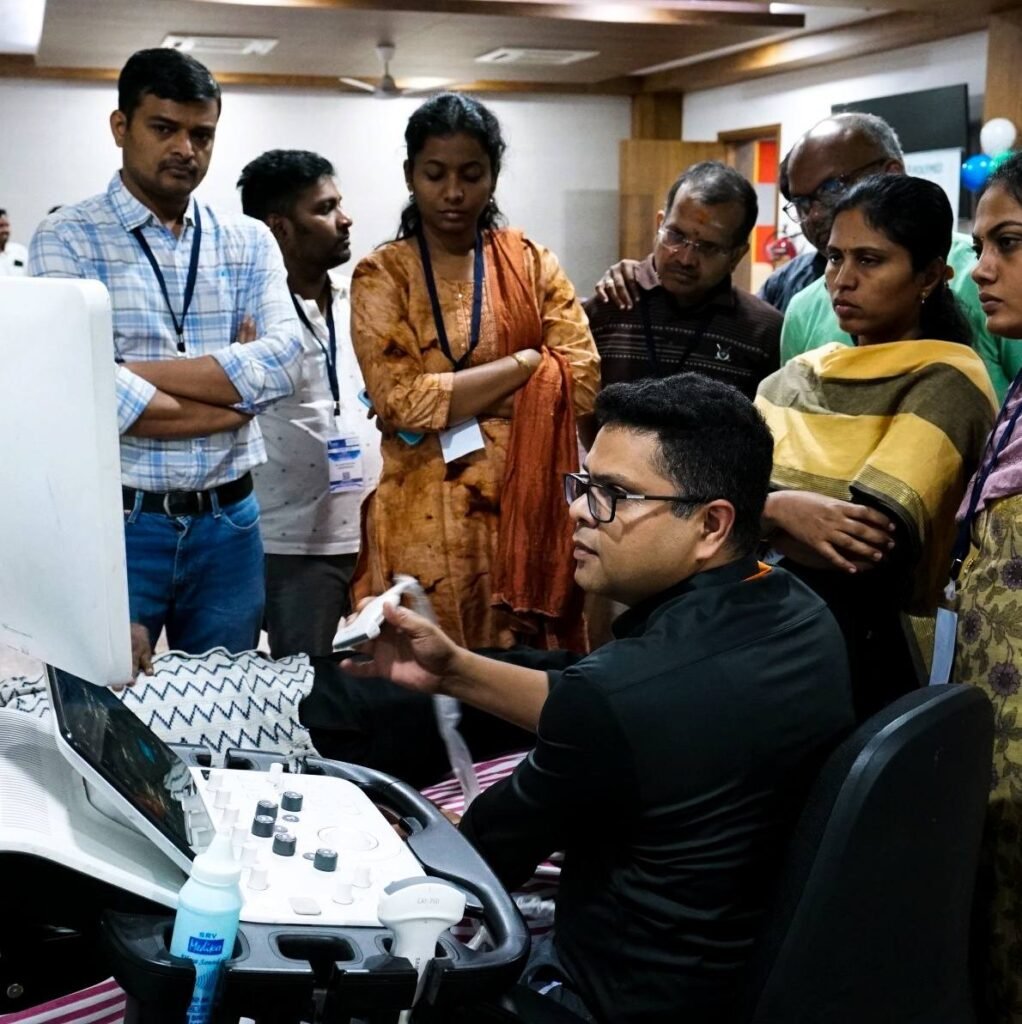
One of the highlights of the program was the hands-on workshop focusing on ultrasound (USG)-guided pain procedures.
During the session:
- Advanced techniques were demonstrated in real-time
- Participants gained practical exposure to precision-based procedures
- Doctors learned how ultrasound guidance improves safety and accuracy
- Emphasis was placed on minimally invasive treatment approaches
Ultrasound-guided interventions are rapidly becoming a cornerstone in modern pain medicine due to their effectiveness and reduced risk.
Growing Importance of USG-Guided Techniques
The enthusiasm and active participation of delegates reflected the increasing interest in ultrasound-guided procedures in pain management.
These techniques offer several advantages:
- High precision in targeting affected areas
- Reduced complications
- Minimally invasive approach
- Faster recovery for patients
- Improved treatment outcomes
Such advancements are transforming how chronic pain conditions are managed across the healthcare system.
Recognition and Felicitation
As a mark of appreciation for contributions to the workshop and academic exchange, a special felicitation was presented by the team at Thangam Hospital.
This recognition highlights the importance of collaborative learning and the role of experts in advancing medical education and patient care.
Importance of Academic Programs in Pain Management
Programs like TRAPE 3.0 are essential for:
- Keeping healthcare professionals updated with the latest innovations
- Encouraging the adoption of modern techniques
- Improving the overall standard of patient care
- Building networks among medical experts
Such initiatives contribute significantly to the growth and evolution of pain medicine.
Commitment to Excellence in Pain Care
Participation in national-level academic programs reflects a strong commitment to:
- Continuous learning
- Skill enhancement
- Adoption of advanced technologies
- Delivering high-quality patient care
By staying updated with evolving techniques, healthcare providers can offer safer, more effective, and patient-friendly treatments.
Conclusion
The participation in TRAPE 3.0 marks another step forward in promoting excellence in Interventional Pain Management. It provided an excellent opportunity to learn, teach, and collaborate with fellow professionals dedicated to improving pain care.
