
Creating Awareness. Empowering Healthcare Professionals.
Pain is one of the most common health concerns encountered in clinical practice. While acute pain may often be associated with an identifiable injury, illness or medical procedure, chronic pain can persist for a longer period and may have a significant impact on a person’s physical function, professional responsibilities and quality of life.
Recognising pain at an early stage and understanding when further evaluation is required can make an important difference in patient care. This makes continuing education and professional awareness especially valuable for healthcare professionals who regularly interact with patients experiencing pain.
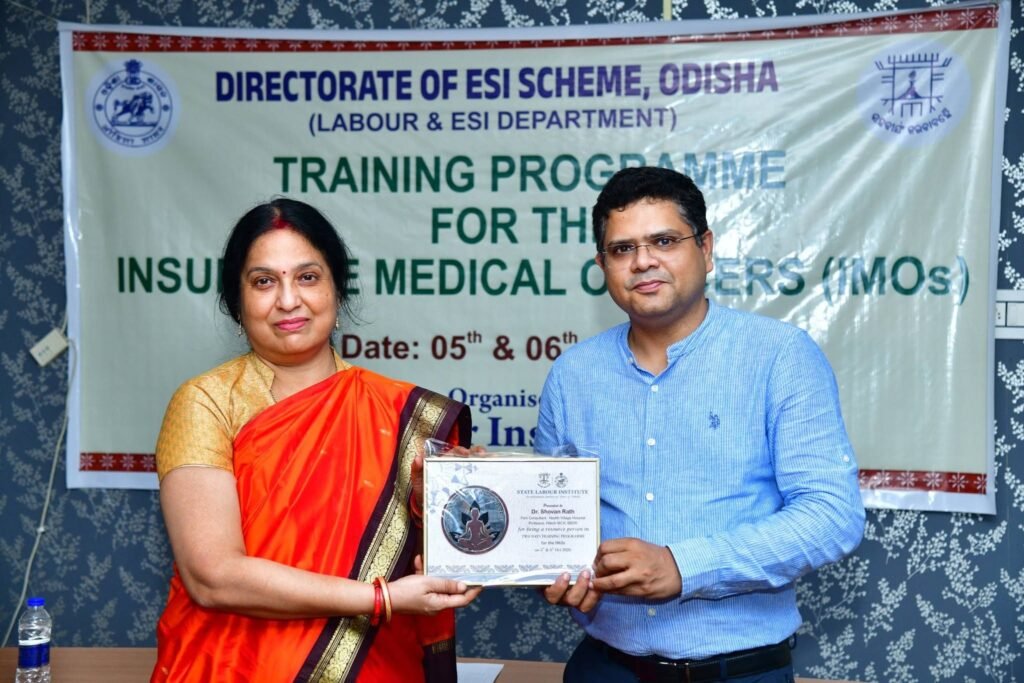
As part of a training programme for ESI Medical Officers, a Pain Management Seminar was conducted with a focus on creating greater awareness about chronic pain, its evaluation and appropriate management.
The session provided an opportunity to discuss the importance of early recognition, appropriate clinical assessment and evidence-based approaches to pain management. It also highlighted the evolving role of modern Pain Medicine in supporting patients living with persistent pain.
Importance of Pain Management Awareness
Pain should not always be viewed as an isolated symptom. Persistent pain can affect mobility, sleep, work, daily activities and overall wellbeing.
For patients experiencing chronic pain, appropriate medical evaluation can help healthcare professionals understand the possible causes and determine a suitable management pathway.
Pain management awareness among healthcare professionals is therefore an important part of improving the quality of care.
Medical officers are often among the first healthcare professionals to assess patients. Their ability to recognise different presentations of pain and identify when further evaluation may be appropriate can support timely and effective patient care.
A professional Pain Management Seminar provides an opportunity to strengthen this understanding through discussion, education and knowledge sharing.
Pain Management Seminar for ESI Medical Officers
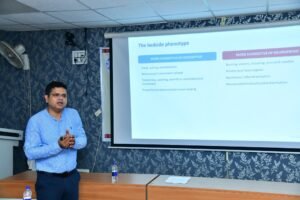
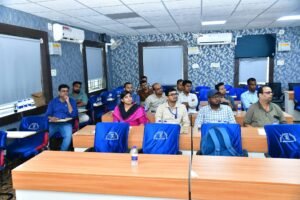
The Social Awareness Seminar on Pain Management was conducted as part of the training programme for ESI Medical Officers.
The programme focused on an important aspect of healthcare: helping medical professionals develop a stronger understanding of chronic pain and the different considerations involved in its management.
The discussion highlighted several key areas, including:
- Early recognition of persistent pain
- Appropriate clinical evaluation
- Understanding chronic pain
- Evidence-based pain management
- The role of modern Pain Medicine
- Patient-centred care
- Improving quality of life
- Appropriate referral and multidisciplinary care
Such professional training programmes can help create greater awareness among healthcare providers and support the development of a more informed approach to pain care.

Why Early Recognition of Chronic Pain Matters
Early recognition is an important component of appropriate pain management.
When pain persists, repeatedly returns or begins to interfere with everyday activities, patients may benefit from professional evaluation.
The purpose of early recognition is not simply to treat pain immediately. It is also to understand why the pain is occurring and whether there is an underlying condition that requires attention.
For healthcare professionals, recognising the characteristics of persistent pain can help determine the next appropriate step in the patient’s care.
Timely assessment may also help patients avoid prolonged uncertainty or inappropriate self-management.
Understanding Chronic Pain
Chronic pain can develop in association with a wide range of conditions.
It may occur with musculoskeletal problems, nerve-related conditions, previous injuries, chronic illnesses and other medical conditions. In some cases, multiple factors may contribute to the patient’s symptoms.
The experience of chronic pain can also vary significantly from one individual to another.
The intensity of pain does not always fully describe its impact. A patient may experience limitations in mobility, sleep, work or routine activities even when the reported pain level appears moderate.
For this reason, chronic pain requires an individualised clinical approach.
Appropriate Evaluation of Pain
A proper evaluation is an important foundation of pain management.
Healthcare professionals may consider the patient’s symptoms, medical history, duration of pain, associated symptoms, previous treatments and functional limitations.
Depending on the clinical situation, physical examination and appropriate investigations may also be required.
The objective is to develop a clearer understanding of the patient’s condition and determine whether additional evaluation, treatment or specialist referral may be appropriate.
This structured approach can help move pain management away from simply treating symptoms and towards understanding the individual patient.
The Role of Modern Pain Medicine
Modern Pain Medicine has developed as an important field focused on the assessment and management of acute and chronic pain.
Depending on the patient’s condition, pain management may involve different approaches. These can include medication, physical rehabilitation, lifestyle-related measures, psychological support, multidisciplinary care and selected interventional procedures when clinically appropriate.
Not every patient requires the same treatment.
The appropriate approach depends on the cause and characteristics of the pain, the patient’s overall health, previous treatment history and other clinical considerations.
This makes professional assessment particularly important before deciding on a management strategy.
Evidence-Based Pain Management
Evidence-based care is an essential part of modern healthcare.
In Evidence-Based Pain Management, healthcare professionals consider available clinical evidence together with the individual patient’s condition and circumstances.
This approach supports thoughtful clinical decision-making rather than relying on a single treatment method for every patient.
Continuing professional education can help healthcare professionals remain aware of developments in Pain Medicine and understand how different management approaches may be considered for appropriate patients.
Training programmes for medical officers therefore have an important role in strengthening clinical knowledge and awareness.
Pain Management and Quality of Life
The impact of chronic pain can extend well beyond physical discomfort.
Persistent pain may affect:
- Work and professional productivity
- Sleep and rest
- Physical activity
- Mobility
- Family and social activities
- Emotional wellbeing
- Overall quality of life
For this reason, pain management should consider more than the reduction of pain intensity.
Functional improvement and the ability to participate in everyday activities can also be important aspects of patient care.
Healthcare professionals can help patients understand their condition and identify clinically appropriate strategies for managing their pain.
Empowering Healthcare Professionals Through Training
One of the most valuable outcomes of professional training is the ability to transfer knowledge into everyday clinical practice.
When medical officers are better informed about chronic pain, they may be better positioned to recognise concerning symptoms, conduct appropriate initial assessments and determine when additional support may be required.
Professional education can also improve communication between healthcare providers and patients.
Patients often have questions about why their pain is continuing, what may be causing it and what options may be available. Clear communication can help patients understand the importance of appropriate evaluation and follow-up.
The Importance of Patient-Centred Pain Care
Every patient is different.
Age, occupation, medical history, lifestyle, underlying conditions and individual circumstances can all influence how pain affects a person.
Therefore, Pain Management should be approached with the individual patient in mind.
Patient-centred care involves listening to the patient’s concerns, understanding how pain affects daily life and considering clinically appropriate options based on the patient’s condition.
The goal is to support safe and appropriate care while recognising that pain management may require ongoing assessment and adjustment.
Role of ESI Medical Officers in Pain Care
ESI Medical Officers play an important role in providing healthcare services to beneficiaries.
Patients may present with pain associated with workplace injuries, musculoskeletal conditions, chronic illnesses, previous procedures or other health problems.
A medical officer’s initial assessment can be important in determining how the patient’s condition should be managed within the healthcare system.
Depending on the clinical findings, this may involve initial management, further investigation, follow-up or referral to an appropriate specialist.
Strengthening awareness about pain among ESI Medical Officers can therefore contribute to better recognition and management of pain within the healthcare setting.
Pain Management and Workplace Health
Pain can have a significant relationship with workplace wellbeing.
Persistent musculoskeletal pain, injuries and other chronic conditions may affect a person’s ability to perform routine professional activities comfortably.
For working populations, appropriate pain management can therefore have implications for both health and productivity.
Healthcare professionals can help patients understand their symptoms and identify when further clinical evaluation may be necessary.
The objective should always be appropriate medical care rather than simply encouraging people to continue working despite significant or persistent pain.

Multidisciplinary Approach to Pain Management
Some pain conditions can be complex and may benefit from a multidisciplinary approach.
Depending on the patient’s needs, care may involve pain specialists, physicians, anaesthesiologists, physiotherapists, psychologists, surgeons or other healthcare professionals.
Each discipline can contribute a different perspective.
Collaborative care may be particularly relevant when pain is persistent, complex or associated with substantial functional limitations.
Professional seminars and training programmes can help healthcare providers understand the value of appropriate referral and multidisciplinary collaboration.
From Professional Awareness to Patient Awareness
Healthcare professionals are also important sources of health education for patients.
When medical officers have stronger awareness of pain management, they can communicate relevant information to patients and families.
This can help patients understand that persistent pain should not automatically be accepted as something they must simply live with.
At the same time, awareness should encourage appropriate medical evaluation rather than self-diagnosis or self-medication.
The connection between professional education and patient education is therefore an important part of building better pain awareness.
Creating a More Pain-Aware Healthcare Community
Building awareness about pain requires continued effort.
A single seminar can start an important conversation, but continued education helps reinforce the message.
Training programmes, professional conferences, clinical discussions and community awareness activities can all contribute to improving understanding of pain.
The more healthcare professionals are equipped with appropriate knowledge, the greater the potential for that knowledge to reach patients and communities.
This creates a positive cycle of education, awareness and appropriate healthcare engagement.
Pain Free Odisha: Relieving Pain. Restoring Life.
The broader vision of Pain Free Odisha is centred on creating awareness about pain and encouraging appropriate understanding and management of pain-related conditions.
The message “Relieving Pain. Restoring Life.” reflects the importance of looking beyond pain itself and recognising its impact on everyday life.
Professional awareness programmes can contribute to this mission by empowering healthcare professionals with knowledge that can be applied in clinical settings.
When healthcare professionals understand pain better, patients can receive better guidance about evaluation, management and appropriate follow-up.
Continuing Education in Pain Medicine
Healthcare is continuously evolving.
New research, clinical evidence, technologies and treatment approaches continue to influence different areas of medicine, including Pain Medicine.
For this reason, continuing medical education remains important for healthcare professionals.
Seminars and training programmes create opportunities to discuss current knowledge, share clinical experiences and consider different approaches to patient care.
For medical officers working in busy clinical environments, such educational opportunities can help reinforce important principles of pain assessment and management.
Turning Knowledge Into Better Care
The ultimate purpose of a Pain Management Seminar is not simply to share information.
The greater objective is to translate knowledge into appropriate clinical practice.
A healthcare professional who understands the importance of early recognition may be more attentive to persistent pain during consultations.
A medical officer who understands appropriate evaluation may be better positioned to identify when further assessment is required.
A patient who receives clear information may be more likely to seek appropriate professional care instead of ignoring persistent symptoms.
In this way, professional education can create an impact that extends beyond the seminar itself.
Conclusion
The Pain Management Seminar conducted as part of the training programme for ESI Medical Officers represents an important initiative towards strengthening awareness and professional education in pain care.
The programme highlighted the importance of early recognition, appropriate evaluation and evidence-based management of chronic pain while introducing the broader role of modern Pain Medicine in supporting patients’ quality of life.
Empowering healthcare professionals with the right knowledge can help strengthen the pathway from recognition to evaluation, appropriate management and continued patient support.
Pain management is not simply about addressing a symptom. It is about understanding the individual patient, identifying the possible causes of pain and considering appropriate clinical care based on the person’s needs.
Continued professional education and awareness can help bring better pain care to more people.
Mission Pain Free Odisha — Relieving Pain. Restoring Life.
