
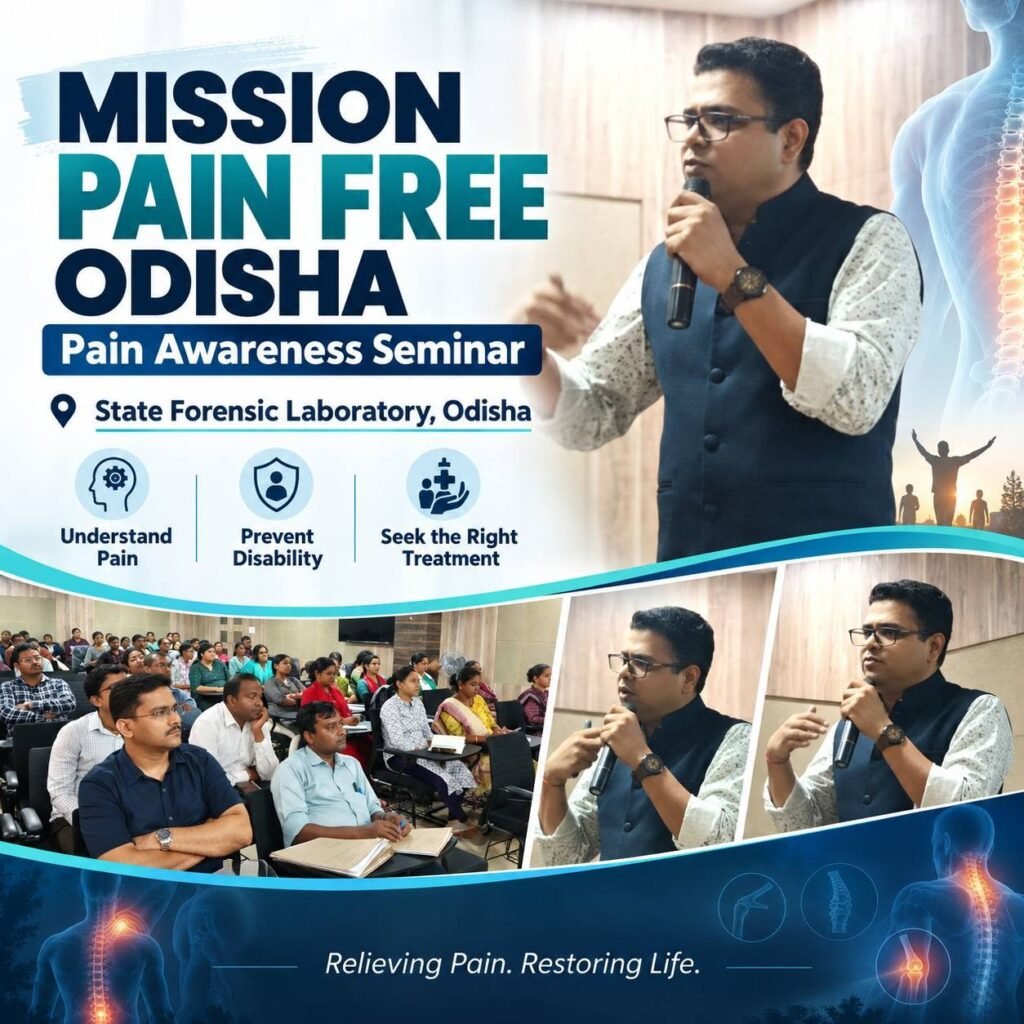
A Pain Awareness Seminar is more than a discussion about physical discomfort. It is an opportunity to help people understand pain, recognise its possible impact on everyday life, learn about the importance of timely evaluation, and understand why appropriate treatment may be necessary.
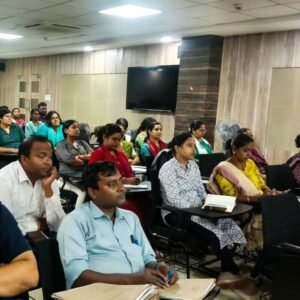
A meaningful Pain Awareness Seminar was conducted at the State Forensic Science Laboratory, Odisha, under the broader Mission Pain Free Odisha initiative. The session focused on understanding pain, the importance of seeking appropriate treatment at the right time, and the need to prevent unnecessary disability associated with persistent or poorly managed pain.
The central message was simple and meaningful: pain should not always be something that people simply tolerate. It should be understood, evaluated appropriately, and managed according to the individual’s condition.
Through awareness initiatives such as this, Pain Free Odisha aims to encourage healthier conversations around pain and help communities develop a better understanding of pain management and quality of life.
Understanding the Importance of Pain Awareness
Pain is one of the most common health experiences people encounter throughout their lives. It can occur because of injury, illness, inflammation, surgery, musculoskeletal conditions, nerve-related problems, or other medical conditions.
Temporary pain may improve as the underlying problem heals. However, persistent or recurring pain can affect much more than physical comfort.
It may interfere with:
- Daily activities
- Mobility
- Sleep
- Concentration
- Work
- Exercise
- Family responsibilities
- Social participation
- Overall quality of life
A Pain Awareness Seminar creates an opportunity to discuss these effects and explain why understanding pain is important.
Pain awareness does not mean that every episode of pain is a medical emergency or requires advanced treatment. Instead, it encourages people to recognise when symptoms persist, recur, worsen, or begin affecting normal activities and may therefore deserve professional evaluation.
Pain Awareness Seminar at State Forensic Science Laboratory, Odisha
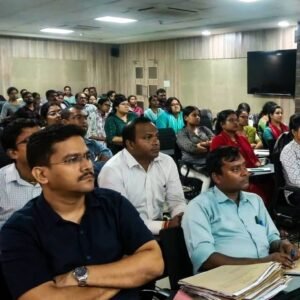
The recent Pain Awareness Seminar at State Forensic Science Laboratory Odisha brought the discussion of pain into an important professional institutional environment.
The State Forensic Science Laboratory, Odisha, is part of the state’s forensic science infrastructure and is located in Bhubaneswar. Its work supports forensic examination and scientific processes associated with the justice system.
A workplace or institutional health awareness programme can play an important role in encouraging people to pay attention to their own health.
Employees may experience different physical demands depending on their roles. Long periods of sitting, standing, repetitive movements, physical work, work-related stress or other factors may sometimes contribute to physical discomfort.
A health awareness session provides an opportunity to discuss these concerns in an educational setting.
The seminar under Mission Pain Free Odisha focused on the importance of understanding pain, seeking appropriate care at the right time and reducing unnecessary disability associated with pain.
Pain Should Be Understood, Not Simply Tolerated
One of the central messages of the seminar was the importance of understanding pain rather than automatically accepting it as something that must be tolerated.
People often continue their daily routines despite experiencing pain. Sometimes this may be reasonable when symptoms are temporary and improving. However, persistent or recurring pain should not always be ignored.
Pain can have many possible causes.
For example, back pain may be associated with different conditions than knee pain. Nerve-related pain can have different characteristics from muscle pain. Headaches can have many possible causes, while facial pain may require a different type of assessment.
This means that pain should not be treated as one single condition.
Understanding the nature, duration and possible cause of pain is an important step toward determining whether professional evaluation may be appropriate.
The Importance of Timely Evaluation
Timely evaluation is an important part of Pain Management Awareness.
When people continue to experience pain for an extended period without appropriate assessment, the symptoms may begin to influence other areas of life.
A person may avoid exercise because movement is uncomfortable. Another person may have difficulty concentrating at work. Someone else may experience sleep disruption or reduce participation in family and social activities.
Professional evaluation can help determine whether the symptoms require further attention.
Depending on the individual condition, a healthcare professional may consider the patient’s symptoms, medical history, physical findings and other relevant factors before recommending an appropriate management approach.
The purpose of timely evaluation is not to encourage unnecessary treatment. It is to ensure that persistent or concerning symptoms are not automatically dismissed.
Preventing Unnecessary Disability
An important focus of the Pain Awareness Seminar was the prevention of unnecessary disability associated with pain.
Persistent pain can sometimes lead people to reduce their physical activity or avoid certain movements because they are uncomfortable.
Over time, these limitations may affect daily functioning.
Depending on the cause, appropriate management may help people maintain or improve their ability to perform everyday activities.
Pain management may involve different approaches depending on the individual situation. These can include physical rehabilitation, lifestyle modifications, medicines, psychological support or specialised pain interventions when clinically appropriate.
The right approach should always be determined through appropriate professional assessment.
Understanding Different Types of Pain
Pain is a broad health experience and can occur in different forms.
Acute Pain
Acute pain generally develops over a relatively short period and may be associated with injury, illness, surgery or another identifiable event.
It may improve as the underlying cause resolves or receives appropriate treatment.
Chronic or Persistent Pain
Chronic pain refers to pain that continues or recurs over an extended period.
Persistent pain can affect mobility, sleep, work, physical activity and emotional wellbeing. It may also involve several contributing factors.
Because of this complexity, chronic pain may require a comprehensive and individualised management approach.
Musculoskeletal Pain
Musculoskeletal pain can involve muscles, joints, bones, ligaments or other structures.
Back pain, neck pain, shoulder pain and knee pain are common examples.
Depending on the underlying condition, management may involve rehabilitation, physical activity, medication, lifestyle measures or other appropriate treatments.
Neuropathic Pain
Neuropathic pain is associated with nerve-related problems and can have characteristics that differ from ordinary muscle or joint pain.
Professional evaluation can help determine the possible cause and appropriate management strategy.
Headache and Facial Pain
Headaches and facial pain can have many possible causes. Recurrent or persistent symptoms may require appropriate clinical evaluation.
These examples demonstrate why the cause and characteristics of pain matter when considering management.
Why Pain Education Matters
Pain Education is an important component of health awareness.
People receive information about pain from many different sources. Friends, family members, social media and online platforms may provide advice, but not all information is accurate or appropriate for every individual.
Professional awareness programmes can help provide a more balanced understanding.
A Pain Awareness Programme can encourage people to understand that:
- Pain can have different causes.
- Different types of pain may require different approaches.
- Persistent symptoms should not automatically be ignored.
- Self-diagnosis can be unreliable.
- Professional evaluation can help identify appropriate next steps.
- Treatment should be based on the individual’s condition.
- Quality of life and daily function are important considerations.
The goal is to provide useful education without encouraging fear or self-treatment.
Pain Awareness and Workplace Wellbeing
Workplace wellbeing is an important part of overall health.
Depending on the nature of their work, people may spend long periods sitting, standing, walking, performing repetitive tasks or engaging in physically demanding activities.
These factors can sometimes contribute to discomfort.
Workplace Pain Awareness can encourage employees to pay attention to their physical health and understand when professional guidance may be appropriate.
Awareness can also encourage healthy habits such as appropriate movement, physical activity and attention to persistent symptoms.
However, workplace awareness programmes should complement professional healthcare rather than replace medical assessment.
Pain and Quality of Life
The impact of pain is not limited to the painful area itself.
Persistent pain can influence a person’s ability to sleep, work, exercise, travel, participate in hobbies and spend time with family and friends.
This is why quality of life is an important consideration in pain management.
For some individuals, successful management may involve not only reducing pain intensity but also improving movement, sleep, physical function and participation in everyday activities.
The appropriate goals depend on the individual’s condition.
A comprehensive approach can therefore consider the person as a whole rather than focusing only on the symptom.
Individualised Pain Management
There is no single treatment that is appropriate for every person experiencing pain.
Pain management may depend on:
- The underlying cause
- Location of pain
- Duration of symptoms
- Severity and characteristics
- Medical history
- Physical condition
- Previous treatment
- Lifestyle
- Individual needs and goals
Depending on clinical assessment, management may include conservative care, physical rehabilitation, medication, lifestyle modification, psychological support or specialised interventions.
For selected patients, interventional pain management may form part of a broader treatment plan after appropriate clinical evaluation.
This is why awareness should encourage people to seek professional guidance rather than choosing a treatment based only on someone else’s experience.
The Role of Mission Pain Free Odisha
Mission Pain Free Odisha focuses on creating greater awareness about pain and encouraging people to understand the importance of appropriate pain management.
The official Pain Free Odisha platform highlights pain awareness and management as important parts of its broader mission.
Awareness programmes allow these conversations to reach people outside traditional clinical environments.
Schools, workplaces, government institutions, research organisations and community groups can all become valuable settings for health education.
The objective is to make reliable information about pain more accessible and encourage people to take appropriate steps when persistent symptoms affect their lives.
From Pain Awareness to Action
Awareness becomes meaningful when it encourages responsible action.
If pain persists, repeatedly returns, becomes progressively worse or begins interfering with normal activities, discussing the symptoms with an appropriately qualified healthcare professional may be an important step.
A healthcare professional can evaluate the symptoms and determine whether further assessment, investigation or treatment is appropriate.
People should avoid assuming that one treatment will work for every type of pain.
The right management approach depends on the individual and the underlying cause.
This balanced approach helps transform Pain Awareness into informed healthcare decision-making.
Building a Pain-Aware Odisha
Creating a healthier and more informed Odisha requires continued health education.
Pain awareness can be promoted through:
- Workplace seminars
- Community programmes
- Educational initiatives
- Professional health discussions
- Public awareness campaigns
- Healthcare education
The Pain Awareness Seminar at State Forensic Science Laboratory Odisha is one example of how health education can reach professional institutions.
When people understand that pain can have different causes and that persistent symptoms may deserve professional attention, they may become better prepared to make informed healthcare decisions.
The objective is not to promise that every pain condition can be completely eliminated. Instead, it is to encourage understanding, timely evaluation and appropriate management.
Why Continued Pain Awareness Matters
One seminar cannot answer every question about pain.
However, every awareness programme contributes to a larger culture of health education.
Continued Chronic Pain Awareness can help reduce misconceptions about persistent pain and encourage people to seek appropriate healthcare when necessary.
It can also help people understand that pain management may require different approaches depending on the underlying condition.
A better-informed community can have more meaningful conversations about pain and healthcare.
The Message Behind “Relieving Pain. Restoring Life.”
The message “Relieving Pain. Restoring Life.” reflects the broader purpose of pain awareness.
Pain management is not simply about a number on a pain scale.
For many people, the broader goal may include being able to move more comfortably, sleep better, work effectively, participate in family activities and return to appropriate physical or social activities.
Depending on the individual’s condition and response to treatment, appropriate pain management may contribute to improvements in these areas.
This makes pain awareness an important part of a wider conversation about quality of life.
Continuing the Mission
The Pain Awareness Seminar at State Forensic Science Laboratory Odisha demonstrates the value of taking health education into professional and institutional settings.
The conversation about pain should continue beyond a single programme.
Healthcare professionals, workplaces, educational institutions, families and communities can all contribute to improving awareness.
When people understand pain better, they may be more likely to recognise persistent symptoms and seek appropriate professional guidance.
The ultimate goal is not simply to talk about pain.
It is to help people understand it and make informed decisions about their health.
Conclusion
The Pain Awareness Seminar at State Forensic Science Laboratory Odisha represents a meaningful step toward improving awareness about pain, timely evaluation and appropriate pain management.
Pain can affect physical comfort, mobility, sleep, work, concentration and overall quality of life. While some pain may be temporary, persistent or recurring pain may deserve appropriate clinical evaluation.
Through Mission Pain Free Odisha, awareness initiatives can help communities understand pain and recognise the importance of responsible healthcare decisions.
The message is simple:
Do not simply tolerate persistent pain without understanding it.
Understand pain. Address it appropriately. Protect your quality of life.
Pain awareness is ultimately about giving people better knowledge, encouraging timely healthcare and helping individuals work toward restoring their everyday lives.
Mission Pain Free Odisha — Relieving Pain. Restoring Life.
