
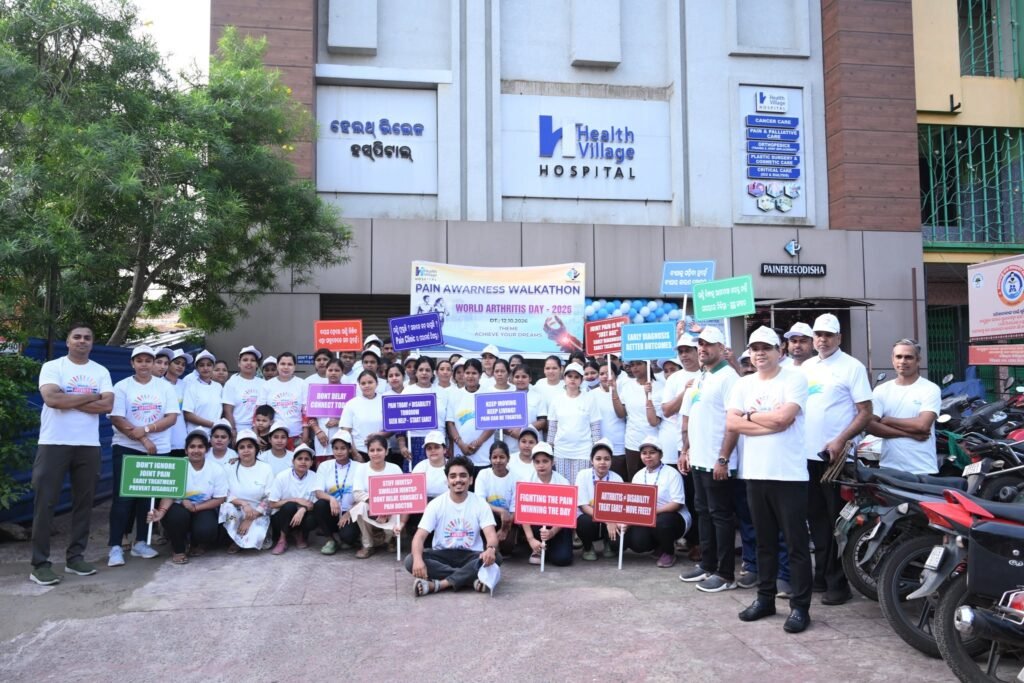
Joint health plays an important role in maintaining an active, independent, and fulfilling life. From walking and climbing stairs to working and participating in everyday activities, healthy joints support our ability to move comfortably. However, arthritis and other joint-related conditions can cause persistent pain, stiffness, swelling, and reduced mobility, affecting a person’s overall quality of life.
On World Arthritis Day, Health Village Hospital, in association with Pain Free Odisha, organised a Pain Awareness Walkathon to spread awareness about arthritis, joint pain, early medical evaluation, and the importance of maintaining mobility.
The initiative carried a meaningful message for the community: joint pain should not be ignored, and timely medical care may help people manage symptoms and maintain their mobility.
Through this awareness activity, the team encouraged people to learn more about joint health, recognise persistent symptoms, and seek appropriate medical guidance rather than assuming that pain is something they must simply live with.
Understanding World Arthritis Day
World Arthritis Day, observed annually on 12 October, raises awareness about arthritis and rheumatic and musculoskeletal diseases. The day encourages individuals, healthcare professionals, hospitals, and community organisations to work together to improve understanding of conditions that affect joints, muscles, and movement.
Arthritis is not a single disease. It includes several conditions with different causes, symptoms, and treatment approaches. Some forms involve changes in joint structures, while others are associated with inflammation or autoimmune processes.
Although arthritis is often associated with older adults, certain types can affect younger people as well. Persistent joint pain, stiffness, swelling, or difficulty moving should therefore not automatically be dismissed as a normal part of ageing.
Awareness initiatives on World Arthritis Day help highlight the importance of recognising symptoms, understanding available healthcare options, and consulting qualified professionals when pain persists or affects daily activities.
For further information, readers can visit the official World Arthritis Day website.
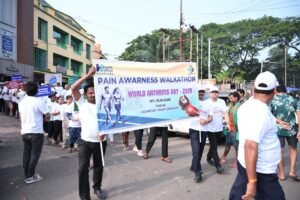
Pain Awareness Walkathon by Health Village Hospital and Pain Free Odisha
The World Arthritis Day Pain Awareness Walkathon, organised by Health Village Hospital in association with Pain Free Odisha, brought attention to an important public health concern: the need for greater awareness of arthritis and persistent joint pain.
The walkathon aimed to encourage people to pay attention to their joint health, understand the importance of timely care, and recognise that different causes of pain may require different approaches to management.
Public awareness programmes help bring healthcare conversations beyond hospitals and clinics. By engaging with the community, these initiatives can make reliable health information more accessible and encourage individuals to take a proactive approach to their well-being.
The collaboration between Health Village Hospital and Pain Free Odisha reflects the value of collective efforts in promoting pain awareness and responsible health education.
The message was clear: early assessment, appropriate treatment, and informed health decisions can play an important role in managing joint pain and supporting mobility.
Why Arthritis and Joint Pain Awareness Matters
Joint pain can affect many aspects of everyday life. Depending on the underlying condition, a person may experience stiffness in the morning, discomfort while walking, difficulty climbing stairs, or limitations in routine activities.
Some symptoms develop gradually, while others may appear suddenly. Persistent or recurring pain can interfere with work, exercise, sleep, and social participation.
Unfortunately, many people delay seeking medical advice because they believe joint pain is unavoidable with age or that nothing can be done to improve their condition. Others may depend on self-medication or unverified remedies without identifying the underlying cause.
Joint pain awareness helps people understand when professional assessment may be necessary and why an accurate diagnosis matters.
Important steps include:
- Recognising persistent or recurring joint pain.
- Seeking medical advice when symptoms interfere with daily activities.
- Avoiding assumptions that all joint pain has the same cause.
- Following a suitable treatment plan recommended by a qualified healthcare professional.
- Learning about safe movement, rehabilitation, and joint care.
- Understanding that treatment choices depend on the individual’s condition and medical history.
Awareness does not replace medical care. Instead, it helps people make informed decisions about when and where to seek appropriate support.
Understanding Arthritis and Its Impact on Daily Life
Arthritis can affect more than the joints themselves. Depending on the condition, it may influence mobility, flexibility, sleep, independence, and emotional well-being.
Osteoarthritis involves changes in the tissues of a joint and may cause pain, stiffness, and difficulty with movement. Rheumatoid arthritis is an inflammatory autoimmune disease that can affect joints and may also involve other parts of the body.
Other musculoskeletal conditions can produce similar symptoms, which is why professional assessment is important. The cause of joint pain cannot always be determined from symptoms alone.
For people living with persistent pain, ordinary activities may become challenging. Walking longer distances, completing household tasks, or participating in recreational activities can require additional effort or adjustments.
Understanding these challenges encourages a more supportive approach to healthcare. Individuals experiencing joint pain may benefit from appropriate diagnosis, treatment, rehabilitation, and ongoing guidance tailored to their needs.

The Importance of Early Medical Evaluation
One of the most important messages of the World Arthritis Day Pain Awareness Walkathon was the value of timely medical advice.
Early evaluation may help identify the possible cause of joint pain and determine whether investigations or treatment are required. It can also help healthcare professionals recognise conditions that need specific management.
People should consider consulting a qualified healthcare professional when joint pain persists, repeatedly returns, worsens, or affects walking, sleep, work, or everyday activities.
Certain symptoms need urgent attention. A suddenly painful, hot, or swollen joint, particularly when accompanied by fever or feeling unwell, should be assessed promptly because some causes require urgent treatment.
It is also important to avoid taking medicines or changing existing treatment without appropriate medical advice. The suitability of any treatment depends on the diagnosis, the person’s medical history, and other individual factors.
Timely medical evaluation can help people understand their symptoms and explore appropriate care options. This is an important part of building a more informed approach to arthritis and pain management.
Practical Ways to Support Joint Health and Mobility
Maintaining mobility is an important consideration for people experiencing arthritis and other joint-related conditions. The most appropriate approach depends on the underlying diagnosis, symptom severity, and overall health.
Healthcare professionals may recommend suitable physical activity, strengthening exercises, flexibility training, or physiotherapy. These activities should be adapted to individual needs, particularly when pain or inflammation is present.
Some general measures that may support joint health include:
1. Stay appropriately active. Suitable movement can help maintain flexibility and physical function. Activities should be selected according to individual ability and professional guidance.
2. Follow a suitable exercise plan. Strengthening and mobility exercises may be helpful for some conditions. A qualified physiotherapist can recommend appropriate activities and modifications.
3. Balance activity and rest. Taking breaks and adjusting demanding activities may help manage discomfort. The right balance depends on the condition and symptoms.
4. Make practical adjustments. Suitable footwear, supportive equipment, or changes to everyday movement may improve comfort for some individuals.
5. Follow professional advice. Depending on the diagnosis, care may include medicines, rehabilitation, lifestyle adjustments, or specialist assessment.
6. Avoid prolonged inactivity when possible. In some circumstances, excessive inactivity can contribute to stiffness and reduced function. However, acute symptoms or specific conditions may require modified activity or rest under professional guidance.
These measures are not a substitute for diagnosis or treatment. People with persistent or worsening symptoms should discuss an appropriate care plan with their healthcare professional.
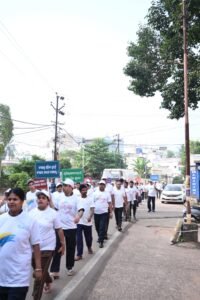
The Role of Pain Medicine in Joint Pain Management
Pain management is an important part of care for people whose joint conditions cause persistent or recurring discomfort.
The aim is not simply to reduce pain. Depending on the condition, management may also focus on supporting movement, improving daily function, and helping individuals participate in activities that matter to them.
Pain can arise from different mechanisms, and people with similar symptoms may have different underlying conditions. For this reason, appropriate management begins with clinical evaluation.
Depending on the diagnosis, treatment may involve medicines, physiotherapy, rehabilitation, lifestyle support, treatment of the underlying disease, or specialist assessment. In selected cases, a pain medicine specialist may help evaluate persistent pain and discuss additional management options.
Treatment should always be individualised. No single approach is suitable for everyone, and potential benefits, risks, and limitations should be discussed with the treating healthcare professional.
Persistent pain does not automatically mean that a condition cannot be managed. Appropriate care may help some individuals reduce symptoms, improve function, or maintain a better quality of life, depending on their condition and response to treatment.
The broader message of Pain Free Odisha is to encourage awareness, informed decisions, and appropriate professional guidance for people living with pain.
Community Awareness: Turning Information into Action
Public awareness programmes play an important role in helping people recognise symptoms and understand the value of appropriate healthcare.
A walkathon offers a visible and accessible way to communicate a health message. It can encourage conversations among families, colleagues, and community members about conditions that are sometimes misunderstood or overlooked.
The initiative by Health Village Hospital and Pain Free Odisha helped bring attention to arthritis, joint pain, mobility, and timely medical evaluation.
Such activities can also help people feel more comfortable discussing persistent pain. Rather than believing they must silently tolerate discomfort, individuals can be encouraged to ask questions and seek professional guidance.
Community awareness is most effective when supported by accurate information, responsible health communication, and access to appropriate medical services. Awareness alone cannot replace diagnosis or treatment, but it can be an important first step towards seeking help.
Health Village Hospital and Pain Free Odisha: A Shared Commitment
The association between Health Village Hospital and Pain Free Odisha for the World Arthritis Day Pain Awareness Walkathon demonstrates how healthcare institutions and awareness initiatives can work together to communicate important health messages.
By promoting awareness about joint pain and arthritis, such initiatives encourage people to take their symptoms seriously and understand that suitable management depends on the underlying cause.
Healthcare professionals can contribute by providing reliable information, supporting appropriate evaluation, and helping patients understand their options. Community members also play a valuable role by encouraging family and friends to seek advice when symptoms persist.
A pain-aware community is one where individuals are supported in understanding their health concerns, accessing reliable information, and seeking professional guidance when needed.
Readers can learn more about the organisation’s awareness initiatives through the official Pain Free Odisha website and its About Us page.
Editorial note: Add the official Health Village Hospital website link to the bold hospital name once its correct website address has been confirmed.
Moving Towards a Future with Better Pain Awareness
A future with better pain awareness begins with recognising that persistent discomfort deserves attention. People experiencing arthritis or other joint-related conditions should have access to reliable information and appropriate medical guidance.
Managing joint pain may involve diagnosis, treatment, rehabilitation, lifestyle adjustments, and ongoing professional support. Each person’s requirements are different, and care should be tailored to their medical circumstances.
World Arthritis Day provides an opportunity to reinforce several important messages: recognise symptoms, seek timely advice, understand available treatment options, and support people living with chronic pain.
The Pain Awareness Walkathon organised by Health Village Hospital and Pain Free Odisha represents a community-focused effort to share these messages and encourage greater attention to joint health.
Every conversation about pain can help challenge misconceptions. Every effort to share reliable information can encourage someone to seek appropriate care. Every awareness initiative can contribute to a more supportive and informed community.
Conclusion: Walking Together for a Future Free from Pain
The World Arthritis Day Pain Awareness Walkathon brought Health Village Hospital and Pain Free Odisha together around a shared goal: promoting awareness about arthritis, joint pain, early medical evaluation, and mobility.
The initiative highlighted an essential message: persistent joint pain should not be ignored, and appropriate medical care may help people manage symptoms and maintain function.
By encouraging awareness, informed decision-making, and timely consultation, community initiatives can help people take a more active role in their health.
Through continued public education and collaboration, Health Village Hospital and Pain Free Odisha aim to support a community that understands pain, values mobility, and recognises the importance of appropriate healthcare.
Mission Pain Free Odisha — Relieving Pain. Restoring Life.
