
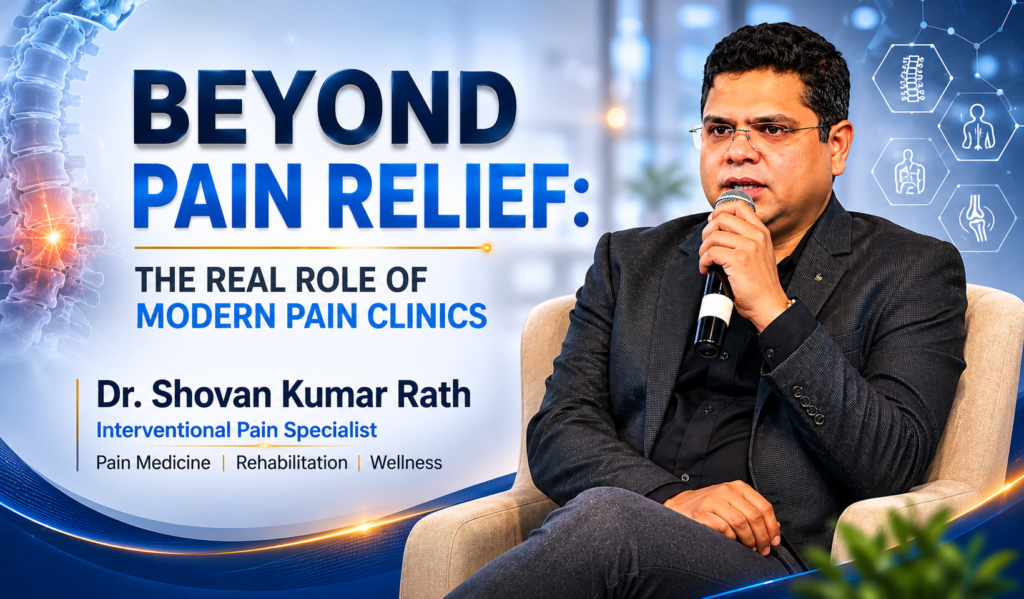
Pain is one of the most common health concerns people face today, yet it is often misunderstood and ignored until it begins affecting daily life. For many individuals, pain is not temporary—it impacts mobility, mental well-being, work performance, sleep, and overall quality of life. With increasing stress, sedentary lifestyles, long working hours, injuries, and chronic illnesses, the need for specialized pain care has become more important than ever.
A modern pain clinic is not just a place where patients receive temporary pain relief or medications. It is a specialized healthcare center focused on identifying the root cause of pain and providing personalized, long-term treatment solutions. The goal is not only to reduce discomfort but also to help patients regain mobility, confidence, and a better quality of life. Modern healthcare now recognizes that chronic pain is a complex condition that requires proper diagnosis, rehabilitation, and continuous care rather than temporary symptom suppression.
Pain medicine departments treat a wide range of conditions including back pain, arthritis, migraines, nerve pain, sports injuries, post-surgical pain, spinal disorders, and musculoskeletal conditions. Chronic pain can significantly affect a person’s independence and emotional well-being, making specialized treatment increasingly essential in today’s healthcare system.
Modern pain clinics offer:
• Advanced diagnostic evaluations
• Minimally invasive procedures
• Physiotherapy and rehabilitation
• Nerve and spinal interventions
• Lifestyle and posture management
• Psychological and emotional support
Unlike traditional treatment approaches that rely mainly on medications, modern pain management follows a holistic and patient-centered approach. Specialists work closely with physiotherapists, neurologists, psychologists, and rehabilitation experts to address both the physical and emotional impact of pain. This multidisciplinary model helps patients achieve not only pain reduction but also improved mobility, functionality, and long-term recovery.
Technology and innovation are also transforming pain care. AI-assisted diagnostics, regenerative therapies, telemedicine, and evidence-based interventions are helping healthcare providers deliver safer, faster, and more effective treatments. Advanced imaging systems and precision-guided procedures now allow clinicians to identify pain sources more accurately and provide targeted therapies with reduced recovery time.
Minimally invasive procedures such as nerve blocks, epidural injections, radiofrequency ablation, and image-guided interventions are becoming increasingly preferred because they often provide effective pain relief while minimizing surgical risks and downtime. These modern techniques help patients recover faster and return to their normal activities more comfortably.
Rehabilitation has also become a key component of pain management. Physiotherapy programs, posture correction, movement therapy, and functional rehabilitation help strengthen the body, improve flexibility, and reduce the risk of recurring pain conditions. At the same time, psychological support and stress management strategies are important because chronic pain often affects emotional and mental health.
Another major advancement in pain medicine is the growing use of personalized treatment planning. Every patient experiences pain differently, which is why individualized care strategies are becoming increasingly important. Modern pain clinics focus on understanding each patient’s medical history, lifestyle factors, physical condition, and recovery goals before designing treatment plans.
Telemedicine and digital healthcare platforms are also improving access to specialized pain care, especially for patients in remote or underserved regions. Virtual consultations, digital follow-ups, and remote monitoring systems allow doctors to provide continuous patient support while improving convenience and accessibility.
Today, pain management is not just about treating symptoms—it is about restoring independence, improving overall well-being, and helping people live healthier and more fulfilling lives. Modern pain clinics are focused on improving long-term quality of life through evidence-based medicine, rehabilitation, innovation, and compassionate care.
As healthcare continues to evolve, pain clinics have become essential pillars of modern medicine, offering hope, healing, and sustainable recovery for millions of patients worldwide. With continued advancements in medical technology, rehabilitation science, and patient-centered care, the future of pain management is becoming smarter, safer, and more effective than ever before.
