
Introduction
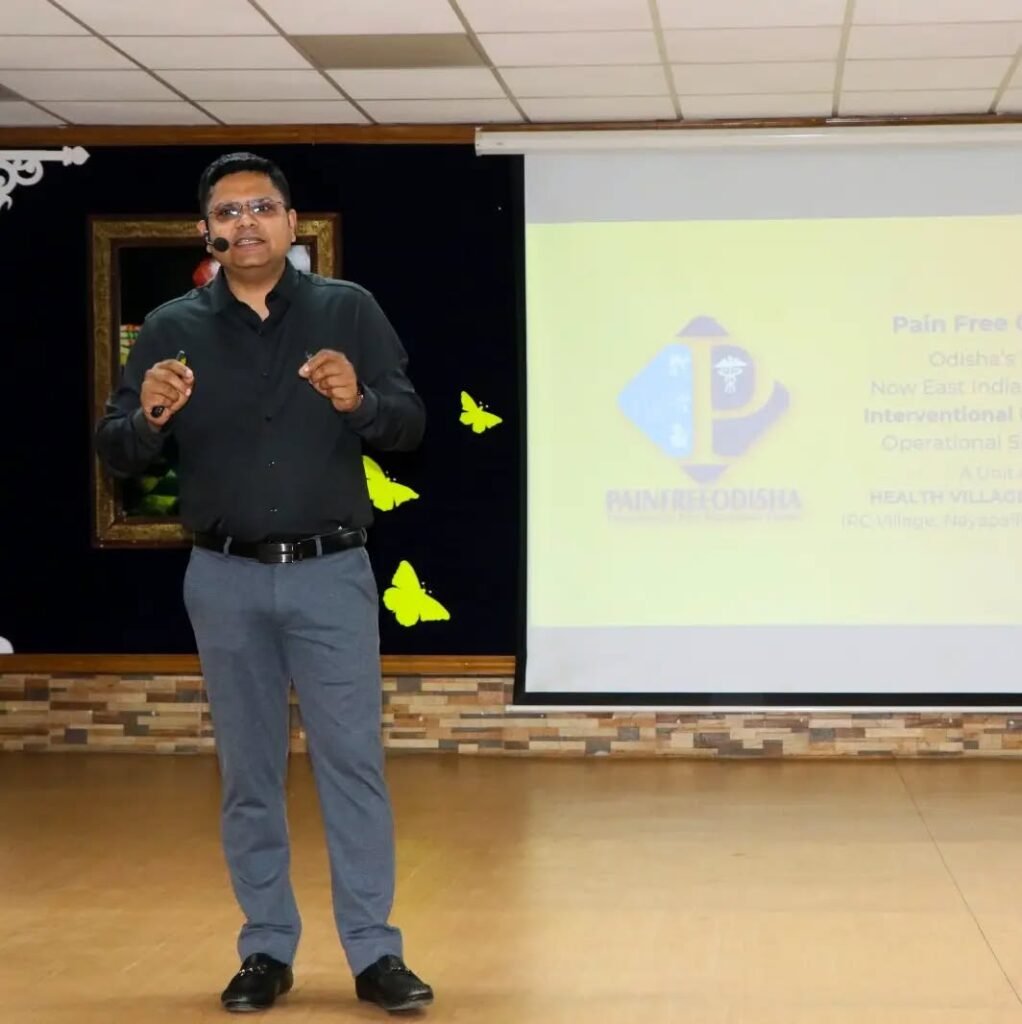
Awareness is the foundation of good health, and when it comes to chronic pain, awareness becomes even more crucial. In an effort to promote better understanding of pain and its management, Pain Free Odisha successfully conducted a Pain Awareness Seminar at DAV School, CSPur.
The seminar witnessed active participation from teachers and staff, who engaged enthusiastically in learning about chronic pain, its causes, and the importance of timely treatment.
Why Pain Awareness Matters
Pain is often ignored or considered a minor issue, especially in busy professional environments like schools. However, untreated pain can gradually turn into a chronic condition, affecting both personal well-being and professional performance.
Pain awareness helps individuals:
- Recognize early symptoms
- Understand the root causes of pain
- Seek timely medical advice
- Prevent long-term complications
Educational institutions play a vital role in spreading this awareness, as teachers can further influence students and communities.
Key Highlights of the Seminar
The session was designed to be informative, interactive, and practical, ensuring that participants could relate the information to their daily routines.
1. Understanding Chronic Pain
Participants were introduced to the concept of chronic pain and how it differs from temporary discomfort. Common conditions discussed included:
- Back pain
- Neck pain
- Joint pain
- Stress-related muscular pain
- Cancer-related pain
Understanding these conditions helps in early identification and effective management.
2. Importance of Timely Pain Management
One of the major takeaways from the seminar was:
Pain should never be ignored
Early diagnosis and proper treatment can:
- Prevent worsening of the condition
- Reduce the need for complex procedures
- Improve recovery time
- Enhance overall quality of life
3. Causes of Lifestyle-Related Pain
Modern lifestyle habits contribute significantly to chronic pain. The session highlighted key factors such as:
- Poor posture during long working hours
- Lack of physical activity
- Stress and mental fatigue
- Improper ergonomics in the workplace
Participants were guided on how to make simple adjustments to reduce these risks.
4. Interactive Learning Experience
The seminar encouraged open interaction, allowing participants to:
- Share their personal experiences
- Ask questions and clarify doubts
- Break common myths related to pain
- Gain confidence in seeking medical help
This interactive approach made the session more engaging and impactful.
Role of Awareness in Building Healthier Communities
When educators are informed and aware, the impact goes beyond the workplace. Teachers can pass on this knowledge to students, families, and society at large.
Such awareness initiatives help in:
- Creating healthier habits
- Reducing the burden of chronic diseases
- Promoting early medical consultation
- Encouraging preventive healthcare
Encouraging a Pain-Free Lifestyle
A pain-free life is achievable with the right awareness and timely action. Simple lifestyle changes can make a significant difference:
Maintain proper posture
Take regular breaks during work
Stay physically active
Manage stress effectively
Seek medical advice when needed
Conclusion
The Pain Awareness Seminar at DAV School, CSPur marked an important step towards educating individuals about chronic pain and its management. By empowering teachers and staff with the right knowledge, the initiative contributes to building a healthier and more informed community.
