
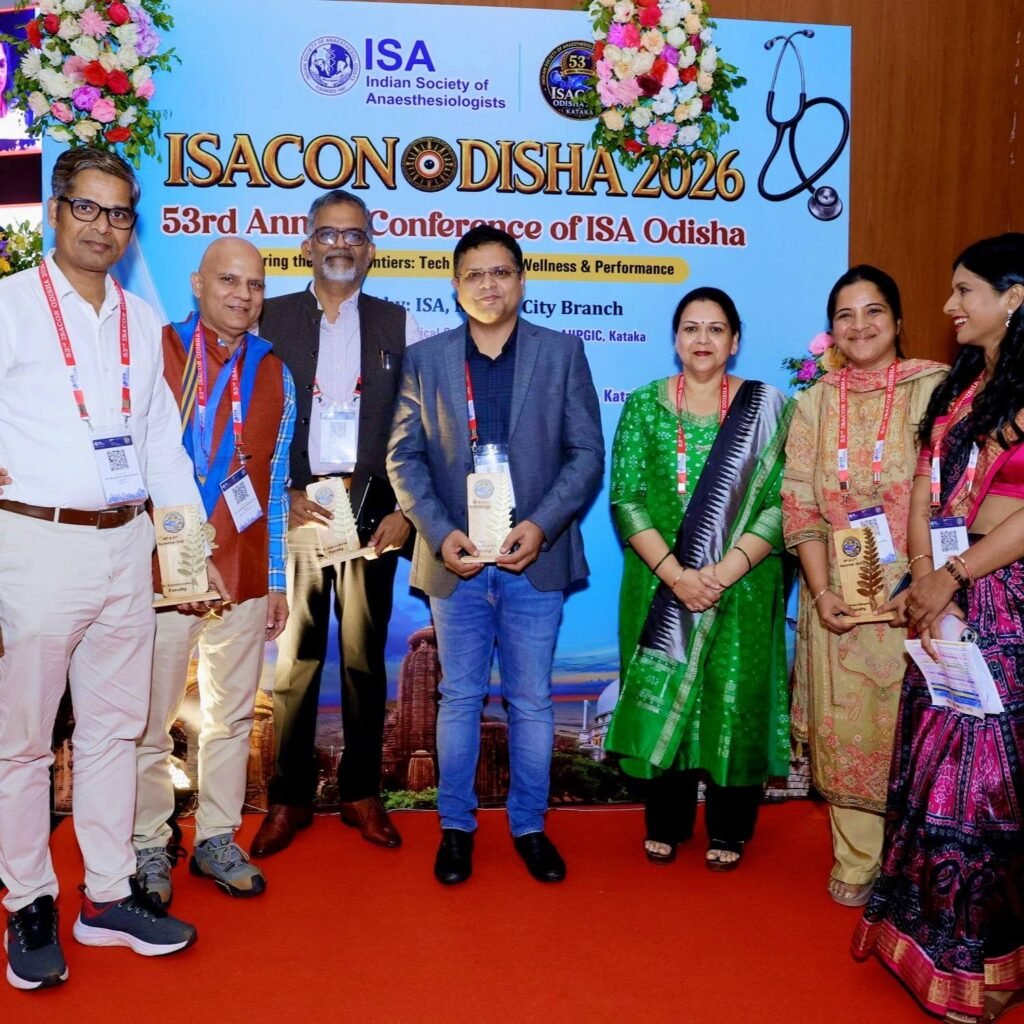
Being part of a professional medical conference is always an opportunity to learn, share knowledge and contribute to meaningful discussions in healthcare. But some professional moments carry a deeper emotional significance when they bring together knowledge, experience and personal memories.
The Pain Management Workshop held as part of the 53rd Annual Conference of ISA Odisha was one such memorable occasion. The conference provided a platform for discussions around chronic pain, pain management and contemporary approaches to improving patient care. It was also a special moment to return to SCB Medical College & Hospital, Cuttack, an institution that holds an important place in the professional journey of the participating resource person.
Returning to one’s alma mater not simply as a former student but as a faculty member and resource person creates a unique sense of gratitude and fulfilment. The occasion represented a meaningful connection between education, professional growth and the responsibility of sharing knowledge with the next generation of healthcare professionals.
Understanding the Importance of Pain Management
Pain is one of the most common health concerns experienced by people across different age groups. While acute pain can often be associated with an injury, illness or medical procedure, chronic pain can continue for a prolonged period and may affect several aspects of everyday life.
Persistent pain may influence mobility, sleep, work, emotional wellbeing and social participation. For some individuals, pain can gradually become a barrier to maintaining their usual activities and quality of life.
This is why pain management requires more than simply addressing the sensation of pain. A comprehensive approach involves understanding the possible causes, assessing the individual patient and selecting appropriate management strategies based on the clinical situation.
A professional Pain Management Workshop provides an opportunity for healthcare professionals to discuss these challenges and exchange knowledge about the assessment and management of different pain conditions.
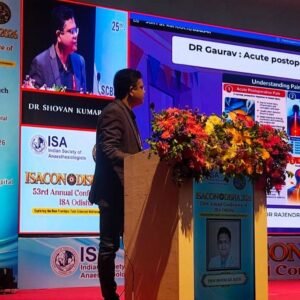
53rd Annual Conference of ISA Odisha
The 53rd Annual Conference of ISA Odisha brought together medical professionals for academic interaction, professional learning and clinical discussions. Such conferences play an important role in creating opportunities for doctors and healthcare professionals to share experiences and remain connected with developments in their respective fields.
The conference also provided a dedicated platform for discussions related to pain management through the Chronic Pain Workshop and a panel discussion on Pain Management.
Participation as a resource person in such an academic programme is both a responsibility and an opportunity. It allows experienced professionals to share practical insights while also learning from the perspectives and experiences of other experts.
Professional conferences are particularly valuable in areas such as pain medicine, where patient conditions can be complex and management often requires an individualised approach.
A Special Pain Management Workshop
The Pain Management Workshop formed an important part of the academic activities associated with the conference. The Chronic Pain Workshop created an opportunity to focus attention on one of the important challenges faced by healthcare professionals and patients alike.
Chronic pain may involve multiple contributing factors, and its assessment can sometimes require a broader clinical perspective. Understanding the patient’s symptoms, medical history, functional limitations and overall health can help clinicians develop a more appropriate management plan.
Workshops provide a practical environment for discussing such issues. They can encourage interaction between participants and faculty members while creating opportunities to consider different clinical perspectives.
The panel discussion on Pain Management further supported this exchange of ideas, allowing professionals to engage with important questions surrounding pain assessment, treatment and patient-centred care.

Returning to SCB Medical College & Hospital, Cuttack
Beyond the academic significance of the conference, the occasion carried a deeply personal meaning because it took place at SCB Medical College & Hospital, Cuttack.
An alma mater is more than an educational institution. It is often where professional foundations are created, knowledge is developed and important experiences shape a person’s future career.
Returning to the same institution years later in the role of a faculty member or resource person can therefore be an emotional experience. The transition from being a student to contributing as a professional reflects a journey of learning, perseverance and continued growth.
For the resource person participating in this conference, returning to SCB Medical College & Hospital represented a connection between the past and present — from learning within the institution to returning to share knowledge with others.
From Student to Resource Person
The journey from student to resource person represents an important professional milestone.
Medical education is built upon continuous learning. Students learn from teachers, mentors, clinical experiences and academic environments. As professionals develop their careers, they gradually gain opportunities to share their own knowledge and experiences with colleagues and younger healthcare professionals.
Being invited as a resource person at an academic programme at one’s alma mater can therefore be particularly meaningful.
It represents not only professional recognition but also an opportunity to contribute to the same academic environment that helped shape one’s early professional journey.
Such moments can encourage professionals to remain connected with their institutions and contribute to the continued exchange of knowledge.
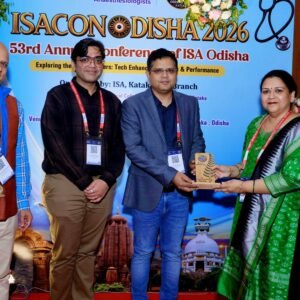
Why Chronic Pain Deserves Greater Attention
Chronic pain deserves attention because its impact can extend far beyond physical discomfort.
A person living with persistent pain may experience limitations in daily activities, reduced productivity, disrupted sleep or difficulty participating in social and professional life. The effect can vary considerably from one individual to another.
Pain should therefore be evaluated within the broader context of the person’s health and daily functioning.
Healthcare professionals may consider several factors while assessing chronic pain, including the nature and duration of symptoms, underlying conditions, functional limitations and previous treatments.
The goal of pain management is not simply to focus on a single symptom but to support the individual’s overall health and function through an appropriate, clinically guided approach.
The Importance of Professional Discussion
Medical conferences and workshops create an environment where professionals can discuss challenging clinical situations and learn from each other’s experiences.
A Pain Management Workshop can be particularly useful because pain may present differently across patients and conditions.
Academic discussions can cover topics such as:
- Understanding different types of pain
- Clinical assessment of persistent pain
- Chronic pain management
- Patient-centred approaches
- Multidisciplinary care
- Appropriate use of available treatment options
- Functional improvement and quality of life
- The importance of follow-up and ongoing evaluation
These discussions contribute to continuing professional education and can help healthcare professionals remain informed about evolving approaches to patient care.
Individualised Pain Management
There is no single approach that is appropriate for every person experiencing pain.
Pain management may depend on the underlying cause, duration and severity of symptoms, existing medical conditions and the individual’s overall health.
For this reason, professional evaluation is important before selecting a treatment strategy.
Depending on the clinical condition, pain management may involve one or more approaches under appropriate medical supervision. These may include medication-based treatment, physical rehabilitation, lifestyle measures, psychological support or selected interventional procedures.
The most appropriate approach should always be determined following clinical assessment.
The Role of Continuing Medical Education
Continuing medical education plays an important role in healthcare because medical knowledge and clinical practices continue to evolve.
Conferences, workshops, panel discussions and academic sessions provide opportunities for healthcare professionals to review established knowledge, discuss new developments and exchange practical experiences.
For professionals working with patients experiencing chronic pain, continuing education can support better understanding of assessment and management approaches.
Events such as the 53rd Annual Conference of ISA Odisha therefore contribute to a broader culture of professional learning and collaboration.
Learning, Sharing and Giving Back
Returning to an alma mater as a resource person also reflects the importance of giving back to the professional community.
Teachers, mentors and institutions play important roles during the early stages of a medical professional’s journey. Later, professionals may have opportunities to contribute to the same ecosystem by teaching, mentoring, participating in academic programmes or sharing clinical experiences.
This creates a cycle of knowledge sharing.
The experience gained through years of professional practice can be shared with younger doctors, while discussions with peers can provide new perspectives and encourage continued learning.
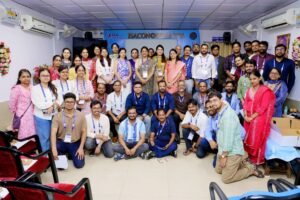
Building Better Awareness About Pain
Pain management is not only a clinical subject. It is also an area where public awareness can make a meaningful difference.
Many people continue to live with persistent pain without seeking timely professional evaluation. Others may rely on self-medication or delay consultation because they believe pain is something they simply have to tolerate.
Awareness can help change this mindset.
People should understand that persistent or recurring pain deserves appropriate medical attention, particularly when it interferes with daily activities or quality of life.
Professional awareness programmes and academic initiatives can help create a better understanding of pain and the importance of seeking appropriate care.
The Importance of Multidisciplinary Perspectives
Pain can sometimes involve physical, psychological and functional factors. As a result, managing complex pain conditions may require collaboration between different healthcare professionals.
Depending on the individual’s condition, multidisciplinary care may involve pain specialists, anaesthesiologists, physiotherapists, psychologists, surgeons, physicians and other healthcare professionals.
Such collaboration can help ensure that the patient is evaluated from appropriate clinical perspectives.
The discussions held during workshops and panel sessions can support this broader understanding of pain management and encourage professional collaboration.
A Meaningful Professional Milestone
Being a resource person at the 53rd Annual Conference of ISA Odisha was therefore more than participation in an academic event.
It represented a professional opportunity to contribute to discussions around chronic pain and pain management while also marking a deeply personal return to an institution that played an important role in the early stages of the professional journey.
The experience combined academic responsibility with nostalgia and gratitude.
From sitting in the institution as a student to returning years later to contribute as a resource person, the journey reflects how education can become the foundation for continued professional growth.
SCB Medical College & Hospital and Professional Growth
Institutions such as SCB Medical College & Hospital have an important place in the medical education and healthcare landscape of Odisha.
For students and professionals, medical institutions become environments where academic learning, clinical exposure and professional values come together.
Returning to such an institution after years of professional experience can provide an opportunity to reflect on the journey so far.
It can also serve as a reminder that professional development is a continuous process — one that begins with education but continues through experience, learning, teaching and contribution.
From Knowledge to Patient Care
Ultimately, the purpose of academic discussions and professional workshops is to support better healthcare.
Knowledge gained through conferences and workshops can contribute to improved clinical understanding. When healthcare professionals discuss experiences, review evidence and exchange perspectives, the ultimate objective remains the same: providing appropriate care to patients.
In pain management, this means understanding each patient’s condition carefully and considering appropriate options based on individual clinical needs.
The emphasis should always remain on safe, evidence-informed and patient-centred care.
Looking Ahead in Pain Management
As understanding of pain continues to develop, professional education and collaboration will remain important.
Future academic programmes can continue to provide opportunities to discuss chronic pain, emerging approaches, clinical challenges and patient-centred care.
The participation of experienced professionals as faculty members and resource persons also helps strengthen the culture of mentorship and knowledge sharing.
For younger healthcare professionals, such interactions can provide valuable exposure to different perspectives and encourage them to continue developing their clinical knowledge.
A Journey of Gratitude and Professional Contribution
The Pain Management Workshop at the 53rd Annual Conference of ISA Odisha will remain a memorable professional experience because it brought together several meaningful elements — academic contribution, professional interaction, chronic pain education and a return to an alma mater.
From being a student at SCB Medical College & Hospital to returning as a resource person, the occasion represents a journey built on education, experience and continued learning.
It is a reminder that professional success is not only about moving forward. It is also about remembering where the journey began and finding opportunities to contribute back to the communities and institutions that helped shape that journey.
Conclusion
The 53rd Annual Conference of ISA Odisha provided an important platform for professional interaction and academic discussion, including the Chronic Pain Workshop and panel discussion on Pain Management.
Being part of the Pain Management Workshop as a resource person was professionally meaningful, while returning to SCB Medical College & Hospital, Cuttack, made the occasion especially personal.
The journey from student to resource person reflects the value of education, mentorship, professional dedication and lifelong learning.
For everyone involved in pain care, continued knowledge sharing and collaboration can help strengthen understanding of chronic pain and support more individualised approaches to patient care.
Above all, the occasion stands as a reminder of the importance of remembering one’s roots while continuing to contribute to the future of healthcare.
Grateful for the journey. Proud of the roots. Committed to continuing the journey of learning, sharing and contributing to better pain care.
