
Advancing Modern Pain Management Through Innovation & Evidence-Based Care
Pain management is rapidly evolving through the integration of advanced medical technologies, precision medicine, and evidence-based clinical practices. At NPCON 2.0, discussions highlighted how modern pain care is shifting from generalized symptom management toward patient-centric, multidisciplinary treatment strategies focused on long-term functional recovery and improved quality of life.
Pain remains one of the leading causes of disability and healthcare visits worldwide. Whether acute or chronic, pain significantly impacts a person’s physical health, emotional stability, productivity, sleep quality, and overall daily functioning. Chronic pain conditions such as neuropathic pain, musculoskeletal disorders, post-surgical pain, arthritis, spinal disorders, and cancer-related pain continue to create major healthcare challenges globally. As medical science advances, healthcare professionals are recognizing that effective pain management requires far more than temporary symptom relief. Instead, modern pain medicine focuses on identifying the root cause of pain, improving patient functionality, and restoring quality of life through a comprehensive and evidence-driven approach.
Traditionally, pain management heavily relied on pharmacological therapies for symptomatic relief. While medications continue to play an important role in clinical treatment, excessive dependence on long-term drug therapy can lead to adverse effects, dependency risks, and limited long-term effectiveness in certain chronic pain conditions. Contemporary pain medicine now emphasizes safer and more sustainable treatment models involving minimally invasive interventions, precision diagnostics, rehabilitative care pathways, and patient-centered therapeutic planning.
One of the most significant transformations in modern healthcare is the integration of technology into clinical pain management. Technological advancements are enabling healthcare providers to diagnose pain sources more accurately and deliver targeted treatments with improved clinical outcomes. Innovations such as AI-assisted diagnostics, advanced radiological imaging, image-guided interventional procedures, wearable monitoring systems, and digital healthcare platforms are reshaping the future of pain medicine.
Artificial Intelligence (AI) is increasingly being used in healthcare to support diagnostic accuracy and clinical decision-making. AI-assisted imaging systems can help clinicians identify abnormalities, nerve compression, musculoskeletal damage, and inflammatory conditions with greater precision. These advanced technologies improve diagnostic efficiency while helping physicians develop more accurate treatment strategies tailored to individual patient conditions.
Image-guided interventional procedures are another major advancement in pain management. Techniques such as fluoroscopy-guided injections, ultrasound-guided nerve blocks, radiofrequency ablation, and epidural interventions allow specialists to target pain generators with enhanced precision while minimizing tissue damage and reducing recovery time. These minimally invasive procedures are increasingly preferred because they often provide faster recovery, lower complication risks, and improved patient comfort compared to traditional surgical approaches.
Wearable healthcare technology is also playing an emerging role in pain monitoring and rehabilitation. Modern wearable devices can track mobility patterns, posture, sleep quality, activity levels, and physiological responses in real time. These tools help clinicians monitor patient recovery more effectively and adjust treatment protocols according to measurable clinical data. In addition, digital health platforms and telemedicine services are expanding access to specialized pain care for patients living in remote or underserved regions. Telehealth consultations allow physicians to conduct follow-up evaluations, monitor rehabilitation progress, and provide ongoing patient support without geographical limitations.
Another revolutionary concept redefining modern healthcare is precision medicine. Precision medicine focuses on developing individualized treatment plans based on patient-specific factors such as medical history, genetics, lifestyle patterns, clinical biomarkers, and treatment response profiles. Rather than applying a generalized “one-size-fits-all” approach, clinicians can now tailor therapeutic strategies according to each patient’s unique clinical condition.
This personalized approach significantly improves treatment effectiveness while minimizing adverse effects and unnecessary interventions. Precision medicine supports sustainable long-term outcomes by enabling healthcare providers to select therapies that are more likely to produce positive patient responses. As research in genomics, biomarker identification, and predictive healthcare analytics continues to advance, personalized pain management is expected to become an increasingly important component of future medical practice.
Modern pain care also strongly emphasizes the importance of evidence-based medicine. Evidence-based practice involves integrating the best available scientific research, clinical expertise, and patient values into healthcare decision-making. In pain management, evidence-based interventions help ensure that treatment protocols are clinically validated, safe, and effective.
Today, multidisciplinary rehabilitation models are becoming central to successful pain management programs. Chronic pain often affects not only the body but also emotional health, mental well-being, mobility, and social functioning. As a result, healthcare systems are increasingly adopting collaborative treatment models involving pain specialists, physiotherapists, psychologists, rehabilitation experts, and primary care providers.
Integrative therapies such as cognitive behavioral therapy (CBT), interventional pain procedures, physiotherapy, functional restoration programs, and movement-based rehabilitation are widely recognized for improving patient outcomes. Cognitive Behavioral Therapy, for example, helps patients develop coping mechanisms to manage the emotional and psychological impact of chronic pain. Physiotherapy and rehabilitation programs improve strength, flexibility, posture, and mobility while reducing physical limitations caused by pain conditions.
The multidisciplinary approach also helps address the growing awareness that chronic pain is influenced by biological, psychological, and social factors. Effective pain management therefore requires a holistic treatment strategy that considers both physical symptoms and emotional well-being. By combining clinical expertise with rehabilitation and psychological support, healthcare professionals can deliver more comprehensive and compassionate care.
Patient education has also become an essential component of modern pain medicine. Educating patients about their condition, treatment options, lifestyle modifications, posture correction, exercise routines, and recovery expectations empowers individuals to participate actively in their own healthcare journey. Informed patients are often more compliant with treatment plans and experience better long-term recovery outcomes.
In recent years, there has also been growing interest in regenerative medicine and advanced therapeutic techniques within pain management. Emerging treatments such as platelet-rich plasma (PRP) therapy, stem cell-based interventions, neuromodulation techniques, and biologic therapies are being explored for their potential to improve tissue healing and chronic pain control. Although many of these therapies continue to evolve through clinical research, they represent promising future directions in non-surgical pain management.
As healthcare systems continue to modernize, the future of pain medicine will increasingly depend on integrating technological innovation, clinical expertise, precision medicine, and compassionate patient-centered care. The goal is not simply to reduce pain temporarily, but to restore patient functionality, improve independence, and enhance overall quality of life.
Events such as NPCON 2.0 provide valuable platforms for healthcare professionals, researchers, and specialists to exchange knowledge, discuss emerging clinical practices, and explore innovations shaping the future of pain management. Through collaboration, research, and continued advancement in medical science, healthcare providers can continue developing smarter, safer, and more effective treatment solutions for patients worldwide.
The evolution of pain medicine reflects a broader transformation occurring across modern healthcare — one that prioritizes evidence-based care, precision treatment strategies, multidisciplinary collaboration, and patient well-being. As innovation continues to reshape clinical practice, modern pain management stands at the forefront of delivering more advanced, personalized, and compassionate healthcare solutions for the future.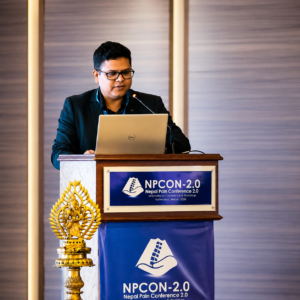
Integrative Therapies in Pain Management
Several integrative therapies are now widely recognized for improving patient outcomes and functional recovery.
Common Evidence-Based Therapies
• Cognitive Behavioral Therapy (CBT)
Helps patients develop coping mechanisms to manage the emotional and psychological impact of chronic pain.
• Physiotherapy & Functional Rehabilitation
Improves mobility, posture, flexibility, and muscle strength while reducing physical limitations caused by pain conditions.
• Interventional Pain Procedures
Targeted minimally invasive procedures help reduce pain intensity while improving patient comfort and recovery.
• Functional Restoration Programs
Support long-term rehabilitation by restoring movement, physical independence, and quality of life.
The Importance of Holistic Pain Care
Modern healthcare increasingly recognizes that chronic pain is influenced by:
- Biological factors
- Psychological factors
- Social factors
As a result, effective pain management requires a holistic treatment approach that addresses both physical symptoms and emotional well-being.
Patient education has also become an essential component of modern pain medicine. Educating patients about:
- Their condition
- Treatment options
- Lifestyle modifications
- Exercise routines
- Recovery expectations
helps improve treatment compliance and long-term recovery outcomes.
